How Sales Teams Use CrossLike to Fill Pipeline From Warm LinkedIn Signal

Most sales teams treat LinkedIn as a directory — a place to find names, verify titles, and send connection requests before a cold message. That approach still works, but it's getting harder every quarter: reply rates on cold LinkedIn outreach keep dropping as the platform gets noisier, and prospects have gotten good at spotting a templated sequence in the first line.
CrossLike gives sales teams a different starting point: instead of manufacturing interest from a cold list, it finds the people who've already shown interest — and then reaches out to them the way a trusted colleague would, not a sequence.
Reps Are Sitting on Signal They Never See
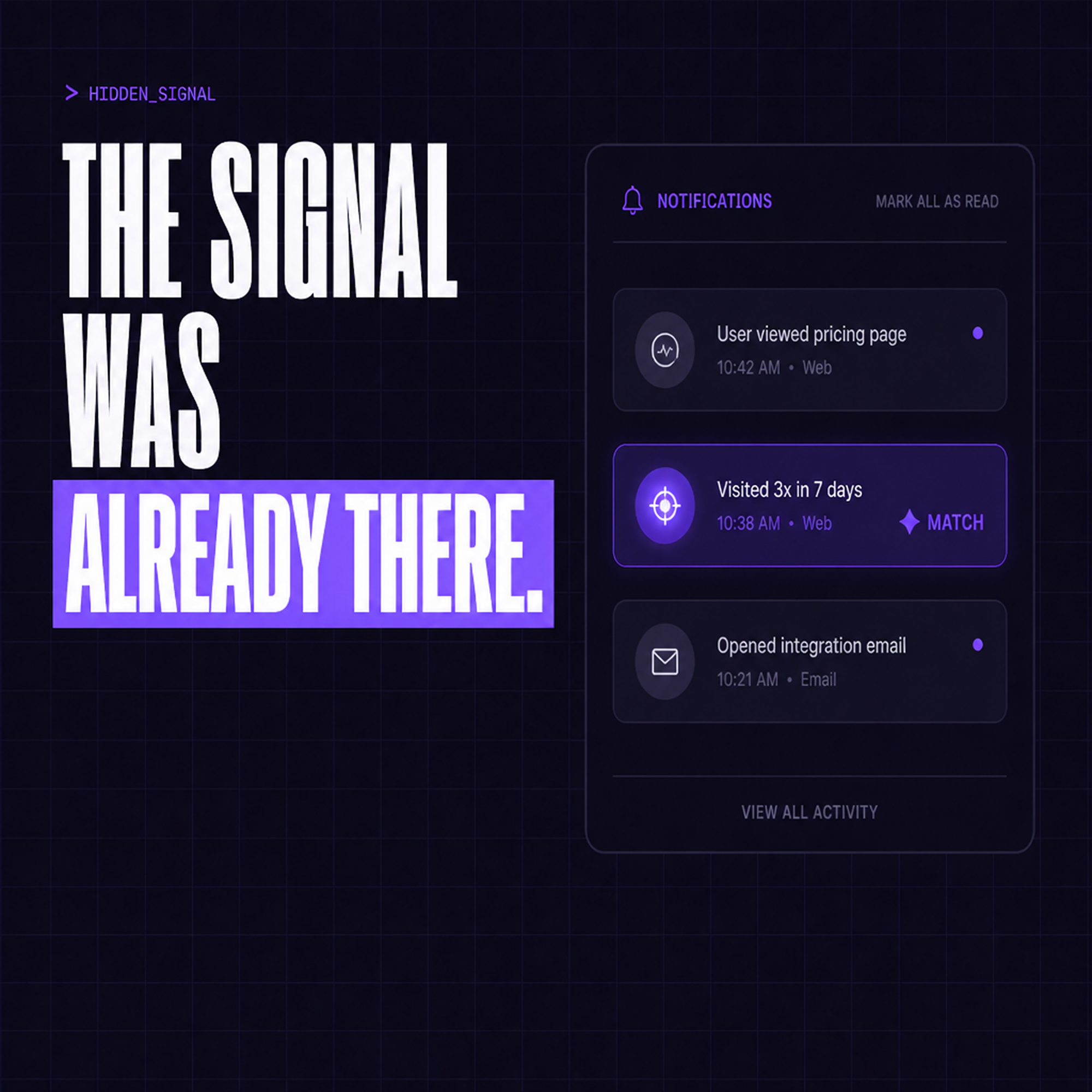
When a rep or their company posts content on LinkedIn, real people engage with it — likes, comments, bookmarks, reposts, shares to DMs. Buried in that engagement is often a genuinely warm signal: someone in the exact role and industry a rep is targeting, engaging unprompted with content relevant to the product. Most sales teams have no systematic way to catch this. It happens on a personal account, gets a like from the notifications tab, and is never connected to the CRM or the pipeline.
CrossLike's warm lead detection closes that gap automatically. It tracks every engagement action on your content and flags the people who match your ideal customer profile — with the reasoning shown, so a rep isn't guessing why someone was surfaced. That's a lead that already knows who you are, which changes everything about how the first message should land.
Getting Content Seen in the First Place
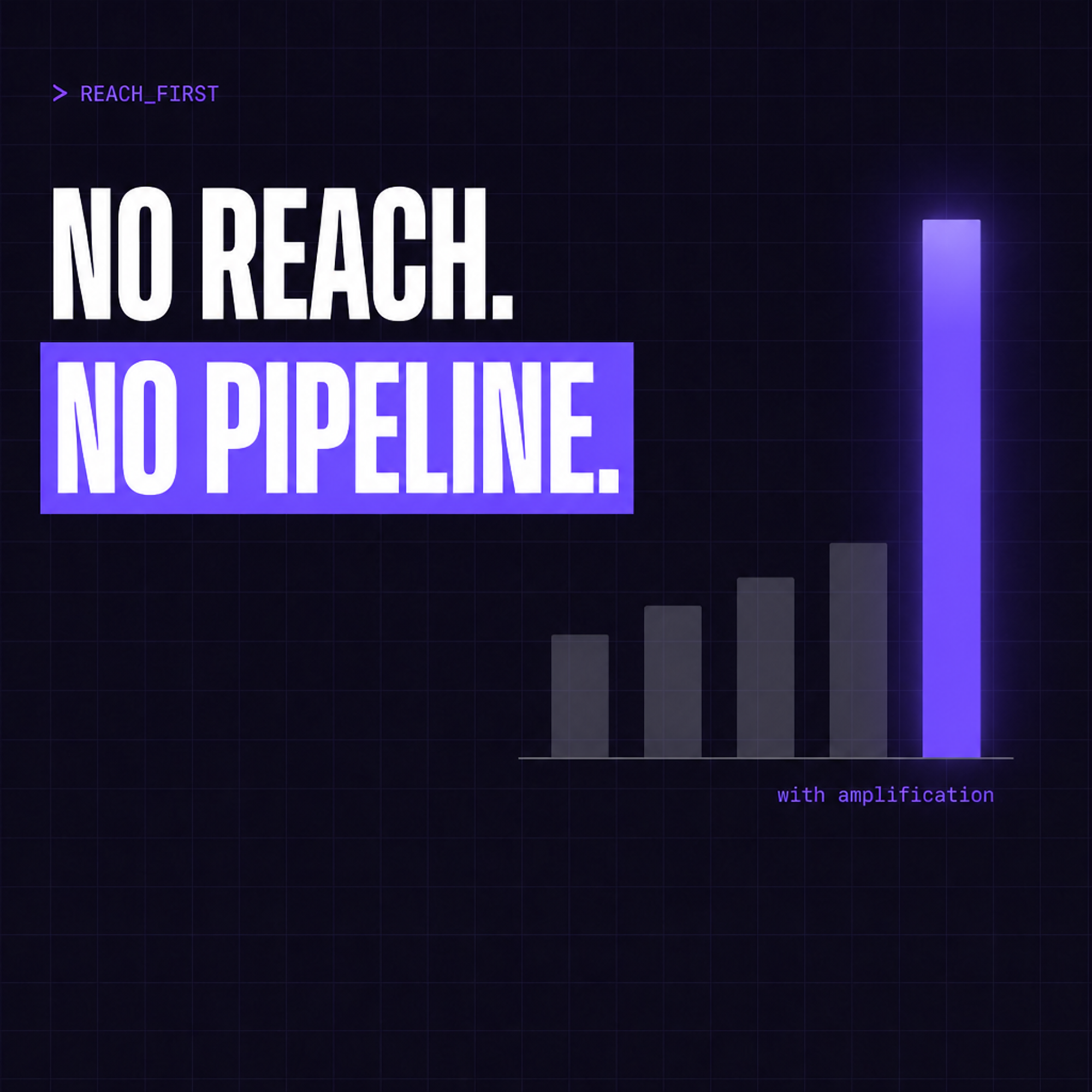
None of this works if the content isn't reaching anyone. CrossLike's community of real professionals — matched to your content by an AI algorithm — provides genuine engagement timed around how LinkedIn's algorithm actually ranks posts: early engagement velocity, steady growth, and a delayed secondary boost. For a sales team, this means content posted by reps, SDRs, or the company page has a real shot at reaching the audience it's built for, instead of disappearing into a feed dominated by whoever posted five minutes earlier.
An Outreach Pipeline Built Around Trust, Not Volume
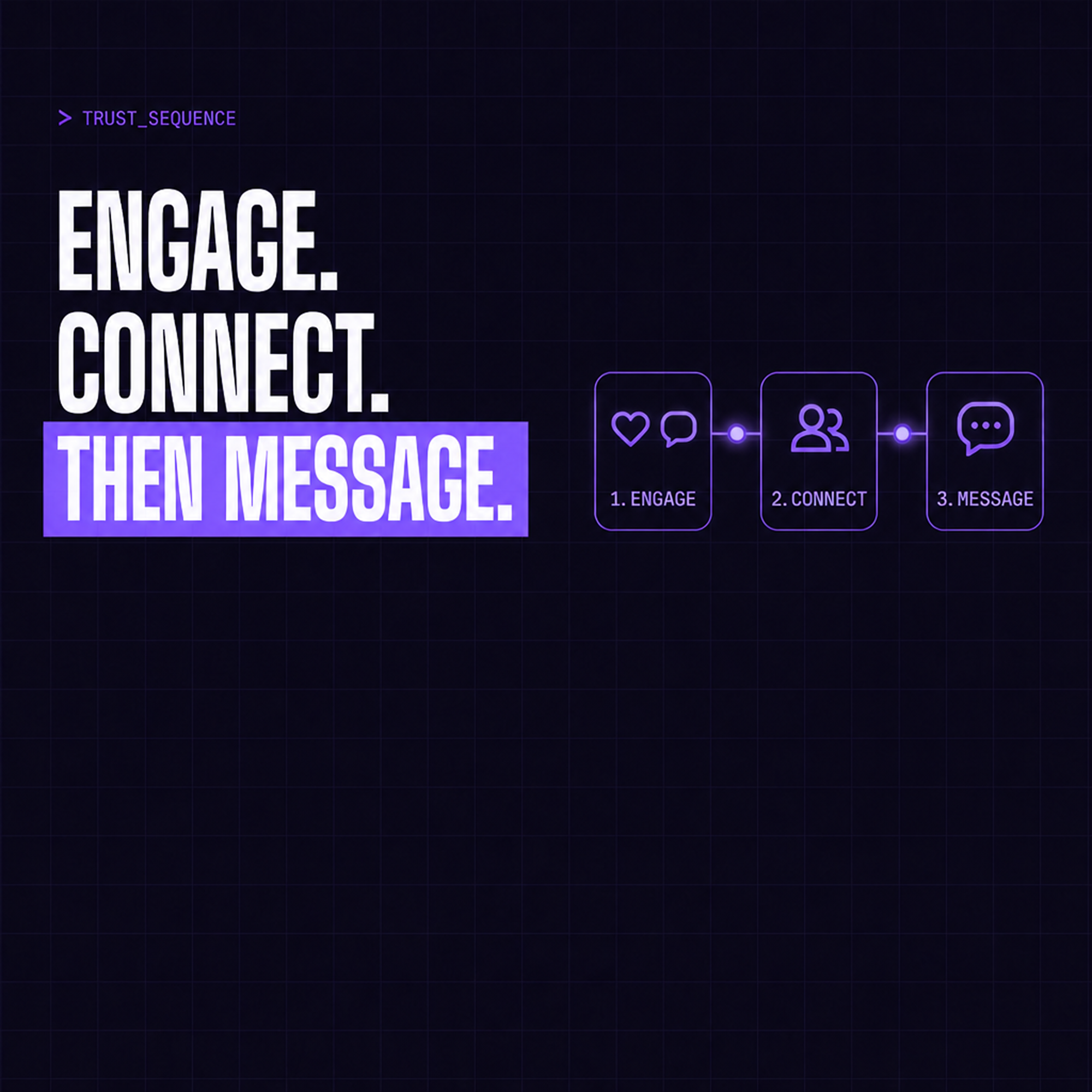
Once a warm lead is detected — or sourced any other way, from a list, an event, or a CRM export — CrossLike's outreach pipeline handles the sequence automatically, using the rep's own LinkedIn profile. The order matters: CrossLike engages with the lead's own posts first (a couple of genuine likes, a real comment), then sends the connection request, and only then the message, with optional AI auto-replies if the rep wants them. It's the exact sequence a top-performing rep already knows builds trust before an ask — just automated across every lead in the pipeline instead of manually done for a handful.

Content Strategy That Reflects the Market, Not Just Guesswork
Sales content often gets written in a vacuum — a rep or a marketing partner guessing at what might resonate. CrossLike's content suggestions are built from your audience, top competitors, and broader market signals, giving reps and sales leaders a starting point grounded in what's actually working in the space, rather than another generic "3 tips" post.
Why Safety Matters for a Sales Org Specifically
Sales teams run outreach at a volume that makes account safety a real operational risk, not a theoretical one. CrossLike runs as a desktop application with no Chrome extension and no browser session tied to the account — removing one of the most common patterns LinkedIn's systems flag. For a sales org depending on a rep's LinkedIn presence as a long-term asset, that safety profile matters as much as the leads themselves.
The Loop for a Sales Team
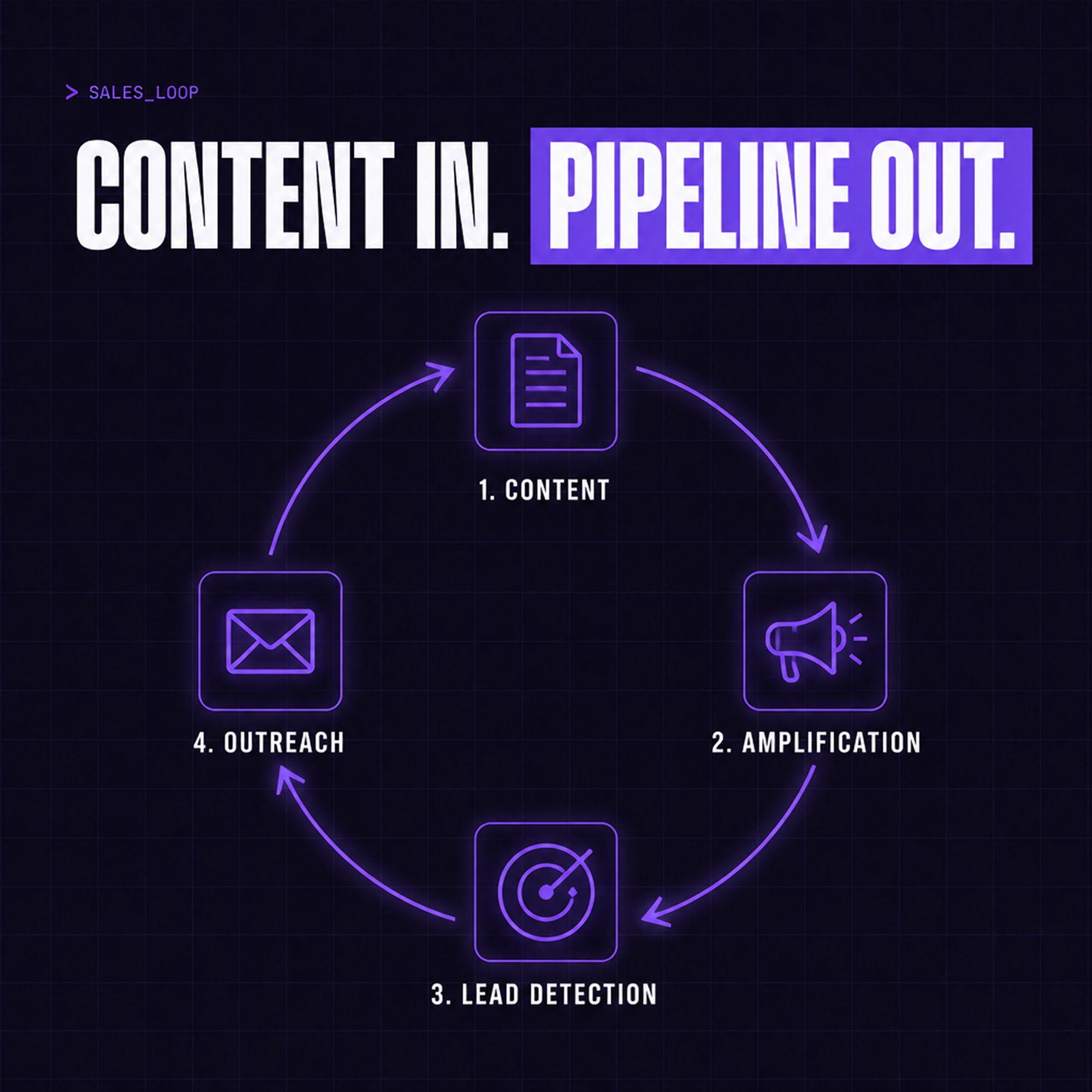
Content goes out, the community amplifies it into real reach, engagement gets mined for warm leads matched to the ICP, and those leads move into an automated, trust-first outreach sequence — giving reps a pipeline that starts warm instead of starting from zero on every single contact.