Why You Don’t Need an Inbound Marketing Agency in 2026

If you’re still thinking in terms of:
- Blog calendars
- SEO retainers
- Monthly content packages
- Lead magnets + email drips
You’re operating on a 2020 playbook.
Inbound in 2026 is signal-driven, AI-accelerated, and tightly connected to outbound activation. Most traditional agencies are not built for that.
In this article, we’ll cover:
- Why the classic inbound agency model is outdated
- What modern inbound marketing actually looks like in 2026
- How to build a signal-based inbound system internally
- When you should hire external help
The Traditional Inbound Agency Model (And Why It’s Breaking)
Historically, inbound agencies provided:
- SEO strategy
- Blog content production
- Lead magnet creation
- Marketing automation setup
- Monthly reporting
The core idea was simple:
Publish valuable content → rank in search → capture leads → nurture → convert.
This worked when:
- Organic reach was high
- Content velocity was low
- Buyers relied heavily on Google
In 2026, that’s no longer the full picture.
What Changed?
- AI exploded content supply
- Buyer journeys became non-linear
- LinkedIn replaced blogs for B2B discovery
- Intent signals became trackable in real time
- Outbound and inbound merged
Publishing 8 SEO articles per month is no longer a strategy. It’s table stakes.
Inbound Marketing in 2026 = Signal + Activation
Traditional inbound:
- Traffic-focused
- Volume-driven
- Conversion after form-fill
Modern inbound:
- Intent-focused
- Signal-triggered
- Activation before form-fill
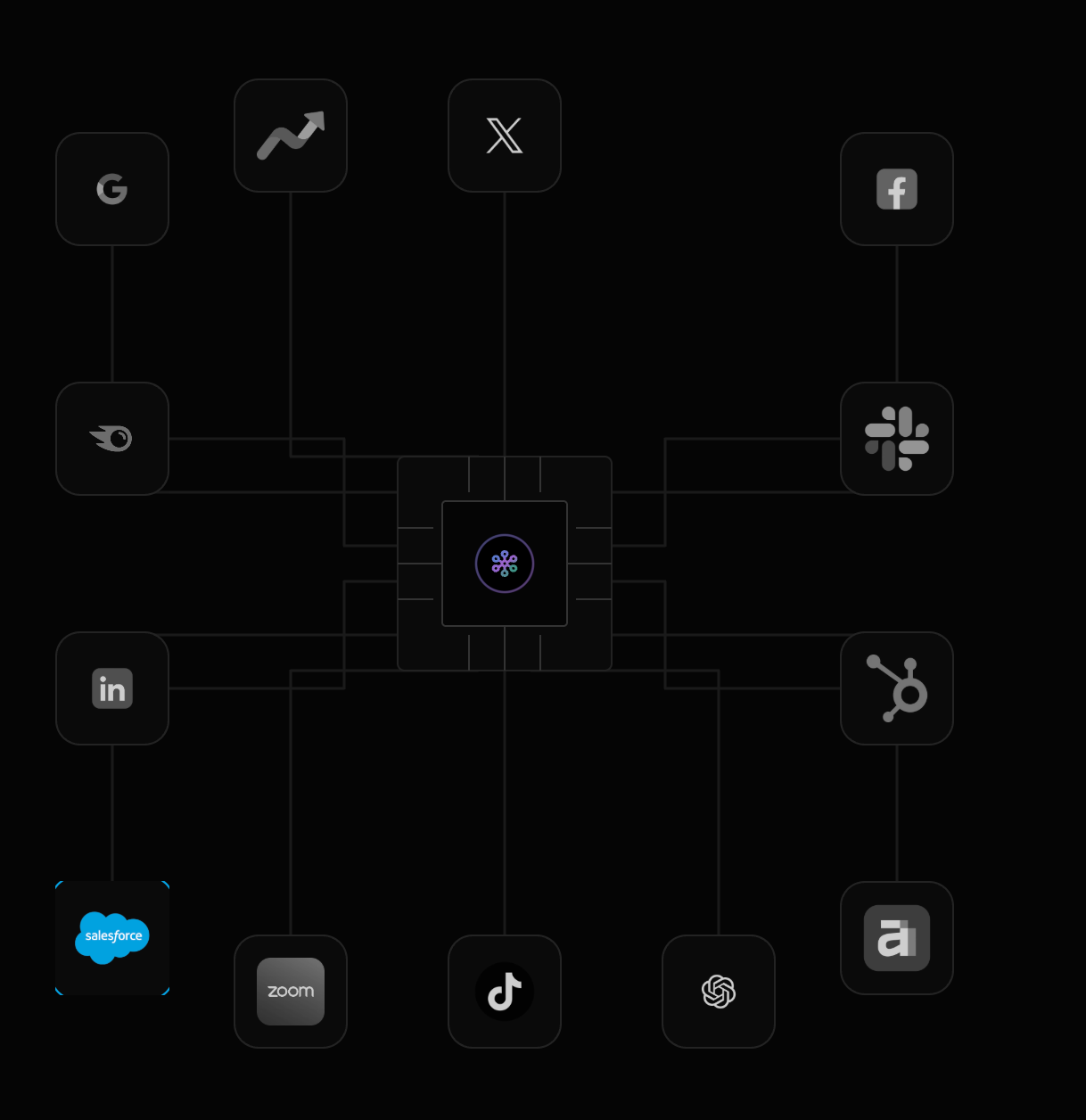
Inbound generates signals. Outbound activates them.
If those two are disconnected, you don’t have a system — you have marketing noise.
5 Reasons You Don’t Need an Inbound Marketing Agency in 2026
1. AI Replaced 70% of Agency Production Work
Most agencies still monetize:
- Writing
- Editing
- Repurposing
- Basic SEO optimization
AI tools now handle:
- Draft generation
- Research summaries
- Content outlines
- Repurposing formats
- Hook variations
The bottleneck is no longer production. It’s positioning and prioritization — and that should live inside your company.
2. Agencies Don’t Own Your Signal Layer
Modern inbound starts with signal detection:
- Funding events
- Hiring spikes
- Tech stack changes
- Engagement behavior
- Website visits
If your agency only sees traffic and form fills, they are operating blind.
Signal intelligence platforms allow companies to:
- Track competitor positioning shifts
- Monitor ICP behavior changes
- Detect real buying movement
Inbound without signal is guessing.
3. Distribution Moved to Founder-Led Channels
In B2B, organic growth now happens on:
- Founder profiles
- Employee advocacy
- Short-form thought leadership
Agencies can draft content. They cannot manufacture authentic authority.
Founder-led inbound converts better because:
- Trust is personal
- Timing is contextual
- Conversations start in comments
If your agency runs your founder’s voice, your audience can feel it — and conversion drops.
4. Content Without Activation Is Useless
Old model:
Content → form fill → sales follow-up
New model:
Content engagement → signal capture → enrichment → triggered outreach
If someone:
- Engages with 3 posts
- Visits pricing twice
- Matches your ICP
Why wait for a form?
Modern inbound integrates with:
- Enrichment tools
- CRM workflows
- Outbound automation
- Signal scoring systems
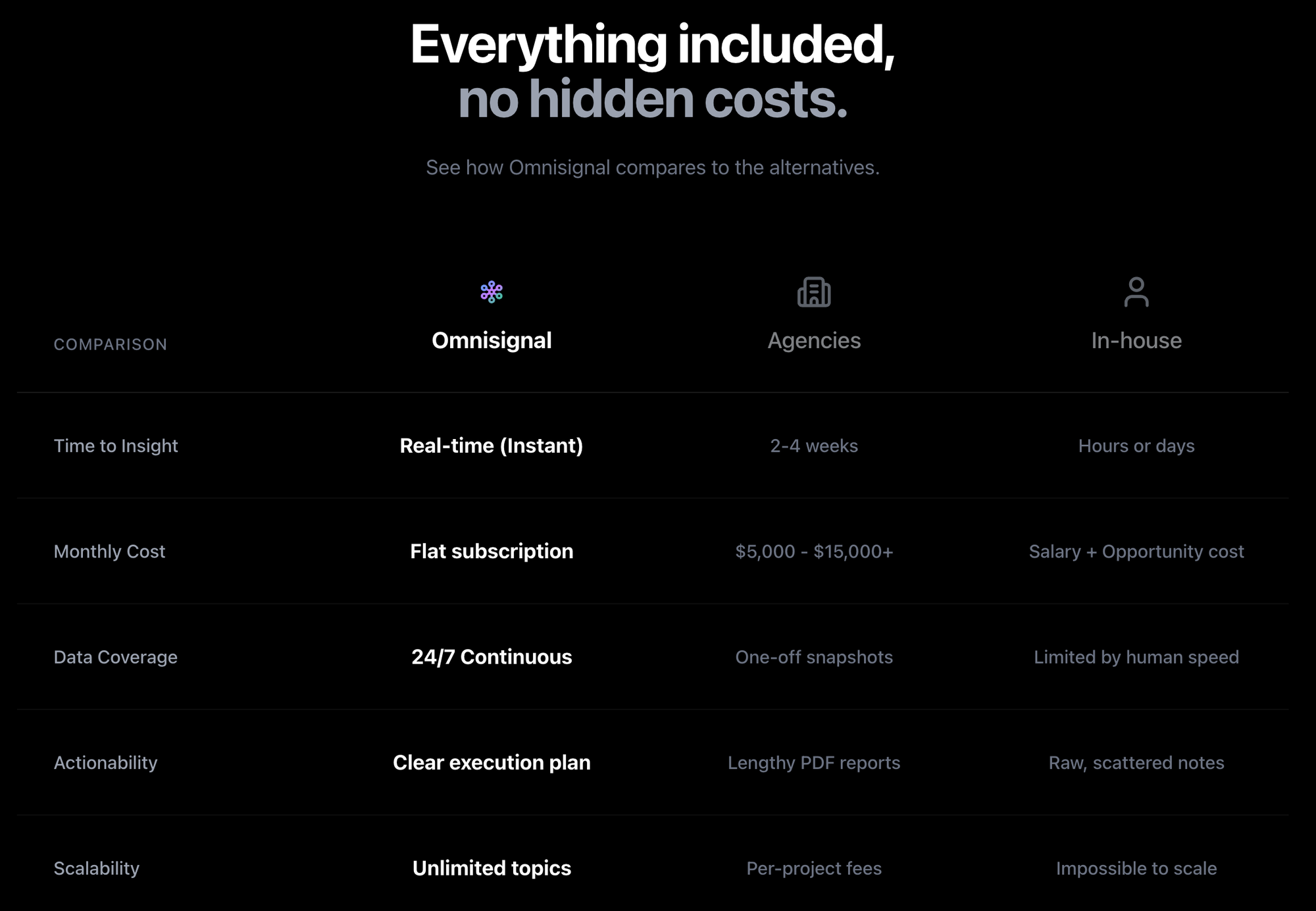
Agencies rarely build this architecture. Internal teams can.
5. Learning Speed Beats Output Volume
Inbound success in 2026 depends on:
- Testing positioning
- Rapid feedback loops
- Tight GTM alignment
- Pricing validation
Agencies operate on monthly retainers. Your learning loop needs to operate weekly.
The faster you connect:
Content → Engagement → Meetings → Revenue
The faster you refine. That requires internal ownership.
So What Should You Build Instead?
Step 1: Define Strategic Positioning
- Clear ICP
- Clear pain
- Clear differentiation
- Clear POV
Authority > frequency.
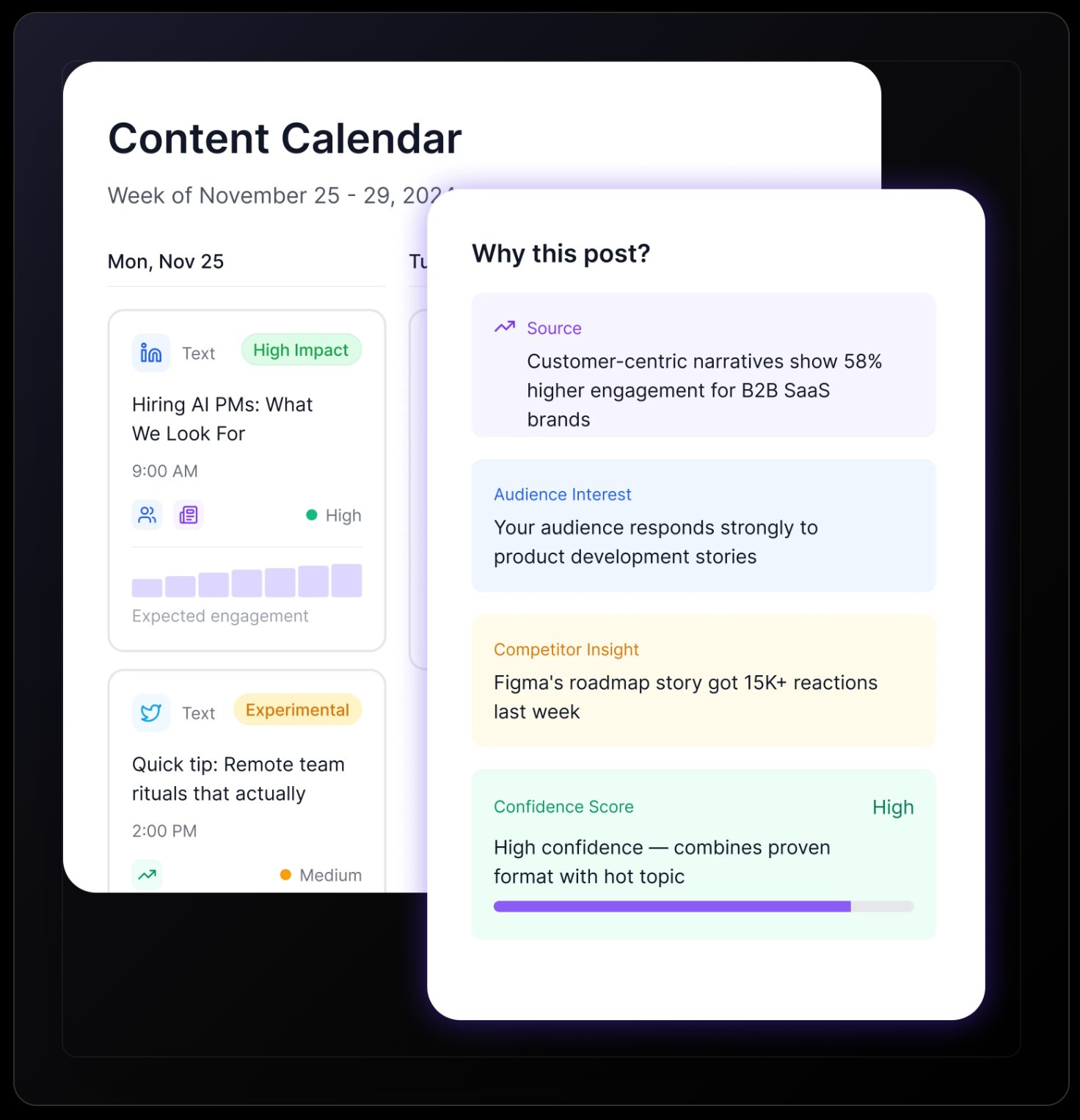
Step 2: Install a Signal Layer
Track:
- Funding
- Hiring
- Stack changes
- Engagement clusters
- Website behavior
Use signal intelligence to decide what to create — not intuition.
Step 3: Build a Founder-Led Content Engine
Focus on:
- LinkedIn authority
- POV-driven posts
- Market commentary
- System breakdowns
- Case-driven insights
Content should reflect movement in the market, not recycled advice.
Step 4: Connect Inbound to Activation
Build workflows that:
- Enrich engaged accounts
- Score intent
- Trigger contextual outreach
- Notify sales in real time
Inbound without activation = branding.
Inbound with activation = pipeline.
When You Should Hire an Agency
There are still valid use cases:
- If you lack internal execution bandwidth
- If you need technical SEO expertise
- If you’re entering a new geography
- If you require specialized creative production
But even then, the signal layer and positioning should stay in-house.
Agencies can execute. They shouldn’t decide direction.
The Real Shift: Inbound Is No Longer a Service
Inbound marketing in 2026 is not a content service. It’s growth architecture.
It requires:
- Signal monitoring
- Cross-team alignment
- GTM integration
- Data feedback loops
- Continuous experimentation
No external team can own that for you.
Because it’s not marketing.
It’s strategy.
Final Thought
You don’t need an inbound marketing agency in 2026.
You need:
- Clear positioning
- Real-time signals
- Founder-led distribution
- Automated activation
- Tight feedback loops
Inbound didn’t disappear.
It evolved.
The companies that win aren’t publishing more.
They’re activating smarter.
If your inbound disappeared tomorrow — would your pipeline stop? Or is it actually connected to real buyer movement?