How a Software Development Agency Increased Pipeline by 167% in 5 Months (Case Study)

In 2026, software development agencies don’t struggle because of talent.
They struggle because of pipeline predictability.
This case study shows how a 35-person software development agency increased qualified pipeline by 167% in 5 months by rebuilding their inbound marketing system around real-time buying signals.
If you run a dev agency and your growth depends on referrals, Upwork, or inconsistent outreach — this will look familiar.
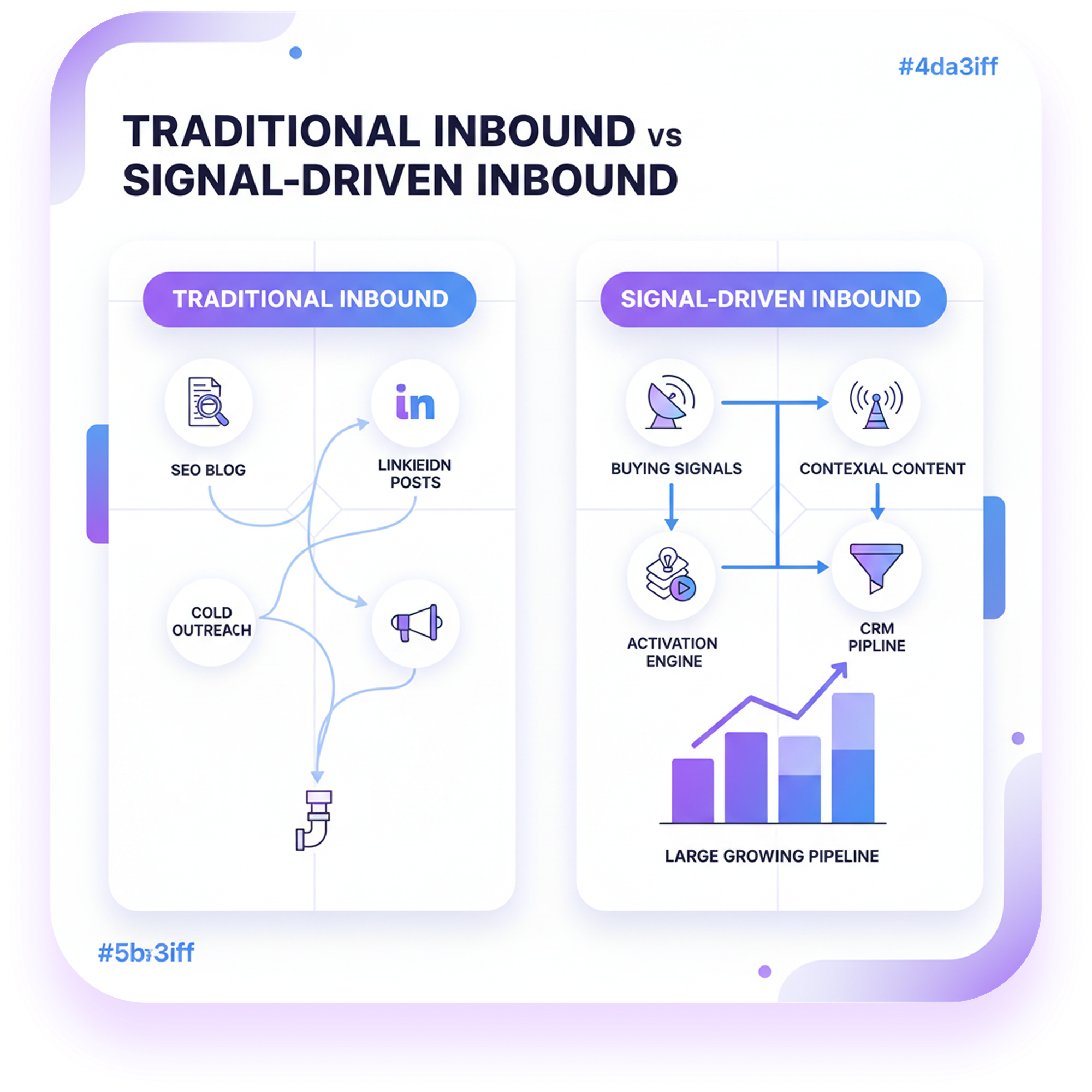
Company Profile
- 35-person software development agency
- Focus: Custom SaaS, AI integrations, web platforms
- Market: US & EU
- Average deal size: $38,000
- Sales cycle: 2–4 months
The Situation Before
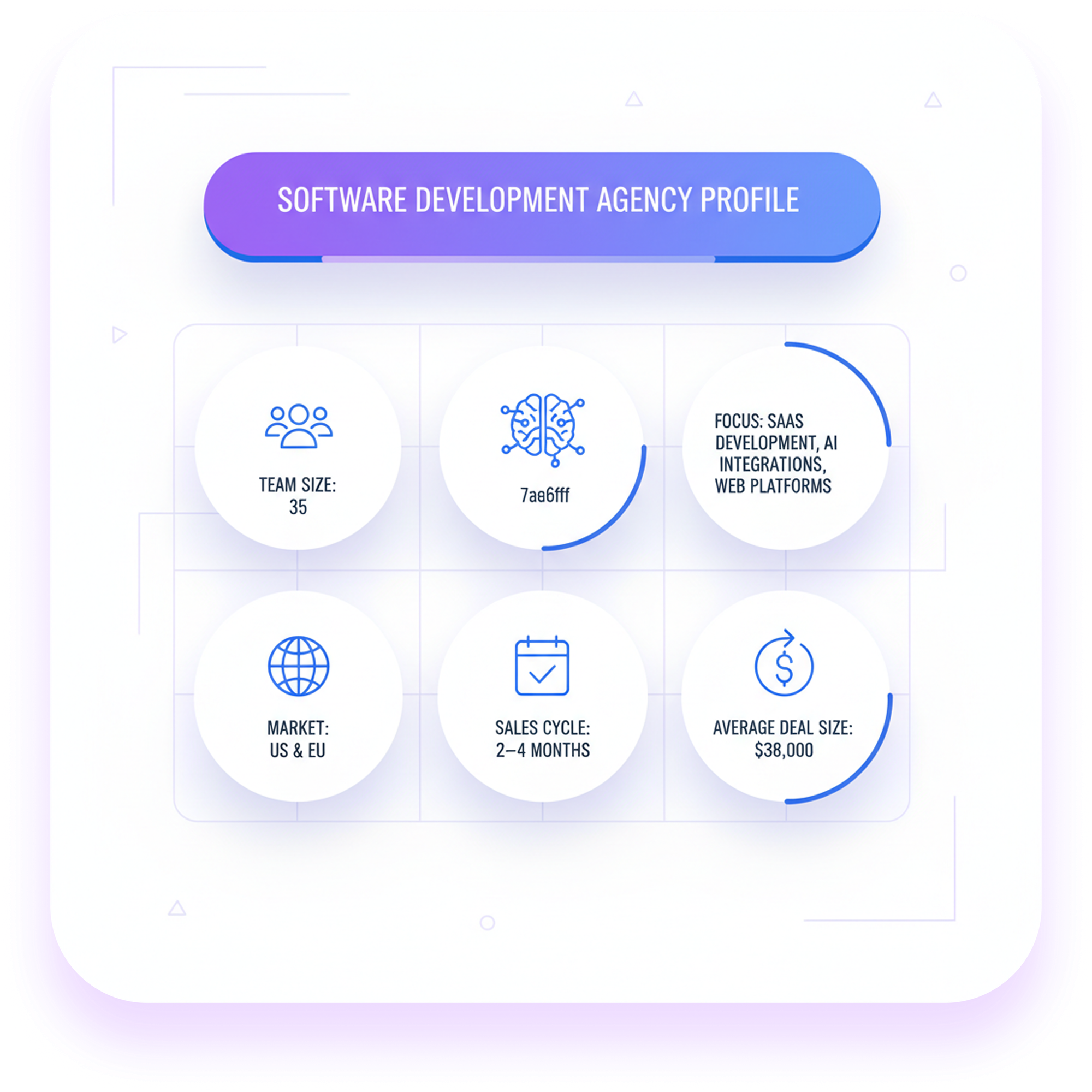
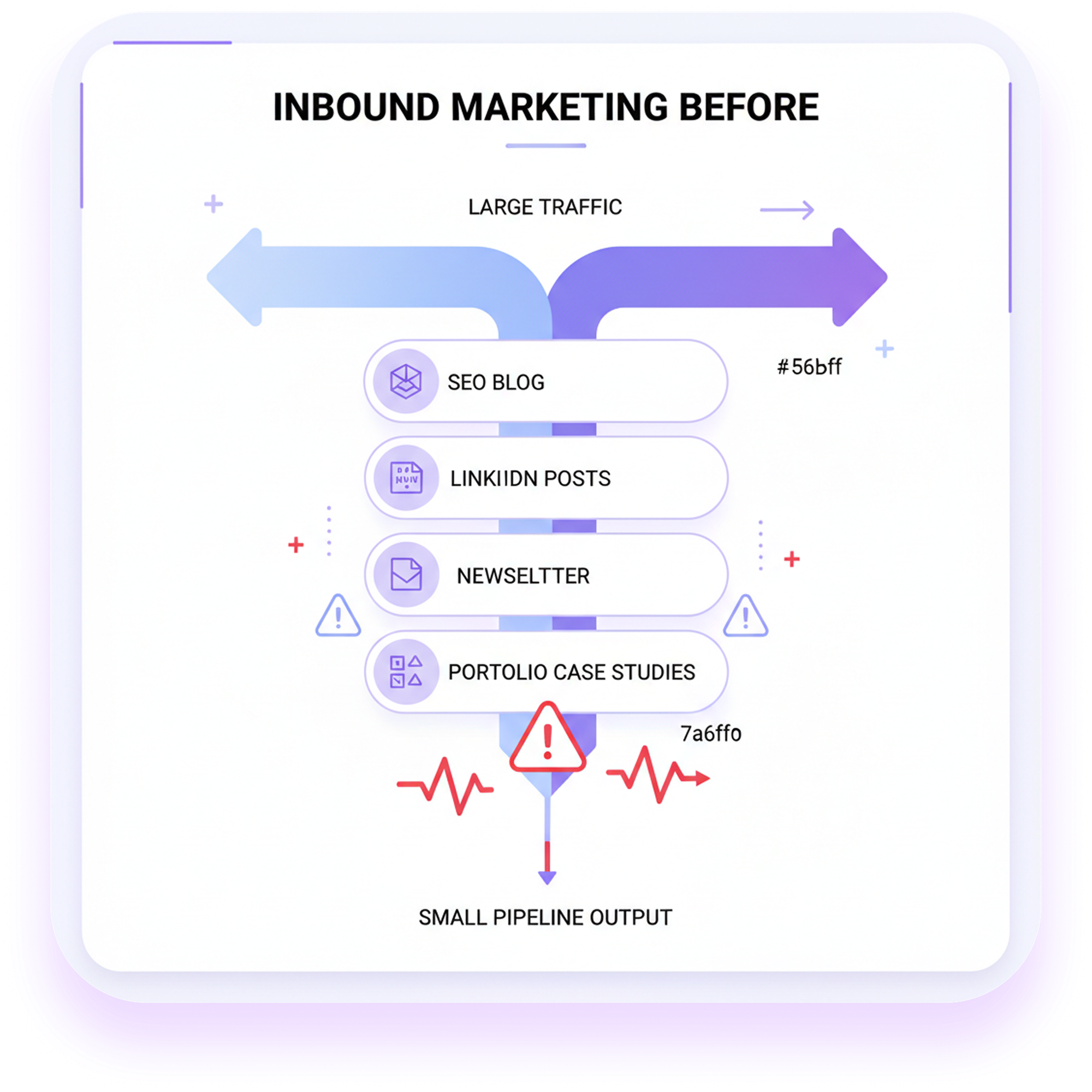
The agency believed they were doing inbound marketing.
They had:
- SEO blog content (2 articles/month)
- Occasional LinkedIn posts
- Portfolio case studies
- Email newsletters
But their pipeline told a different story.
Metrics Before Implementation
|
Metric |
Before |
|---|---|
|
Inbound Leads / Month |
12–15 |
|
SQL / Month |
4–6 |
|
Average Qualified Pipeline |
$220,000 |
|
Close Rate |
18% |
|
Primary Lead Sources |
Referrals, Upwork, Cold Outreach |
Hidden Problems
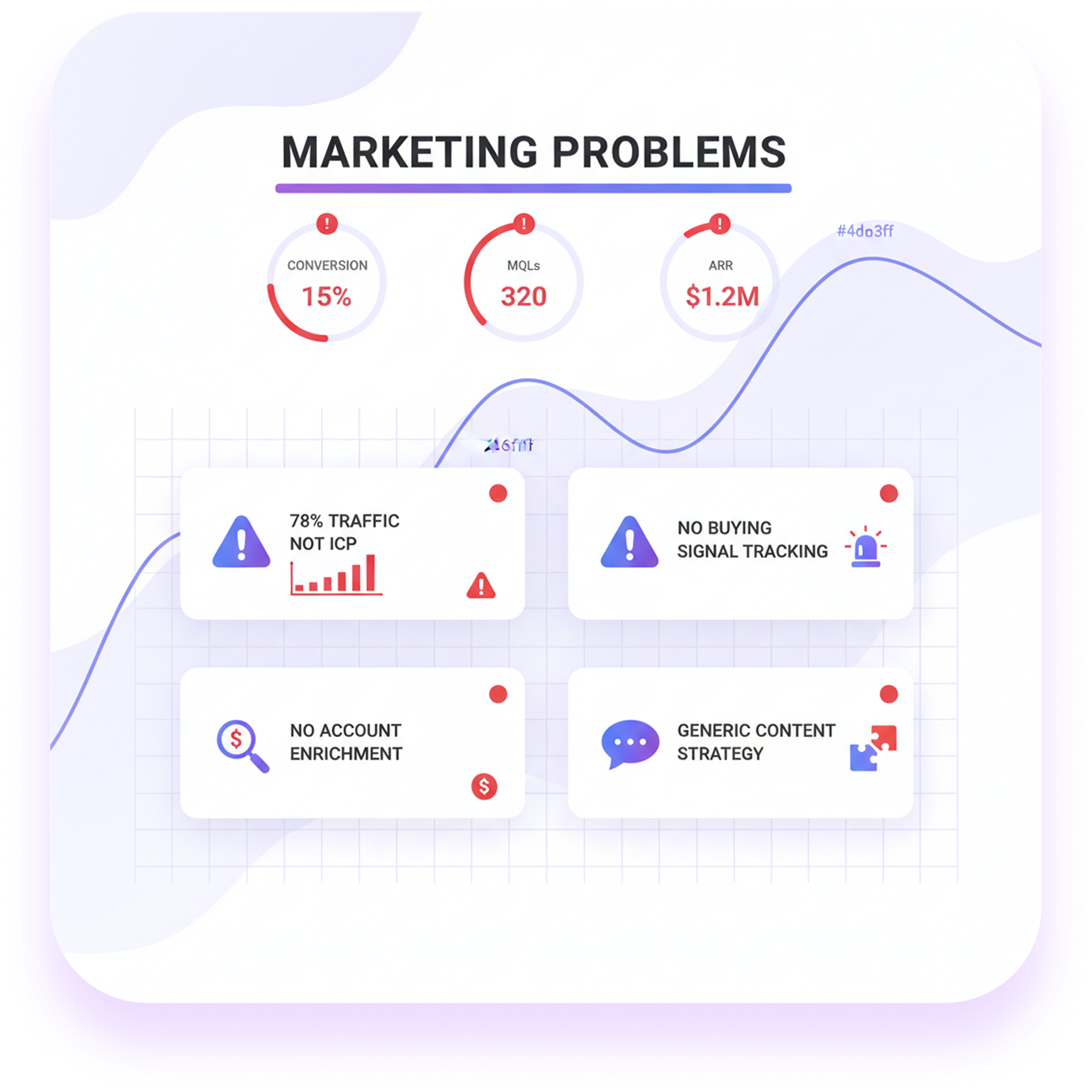
- 78% of website traffic was not ICP
- No tracking of funding or hiring signals
- No account-level enrichment
- Outreach was not connected to timing
- Content was generic, not contextual
Inbound existed — but it wasn’t connected to activation.
Traffic ≠ pipeline.
The Core Problem: Inbound Was a Showcase, Not a System
Most software development agencies make the same mistake.
They publish content.
They wait for form fills.
They send cold emails when pipeline slows down.
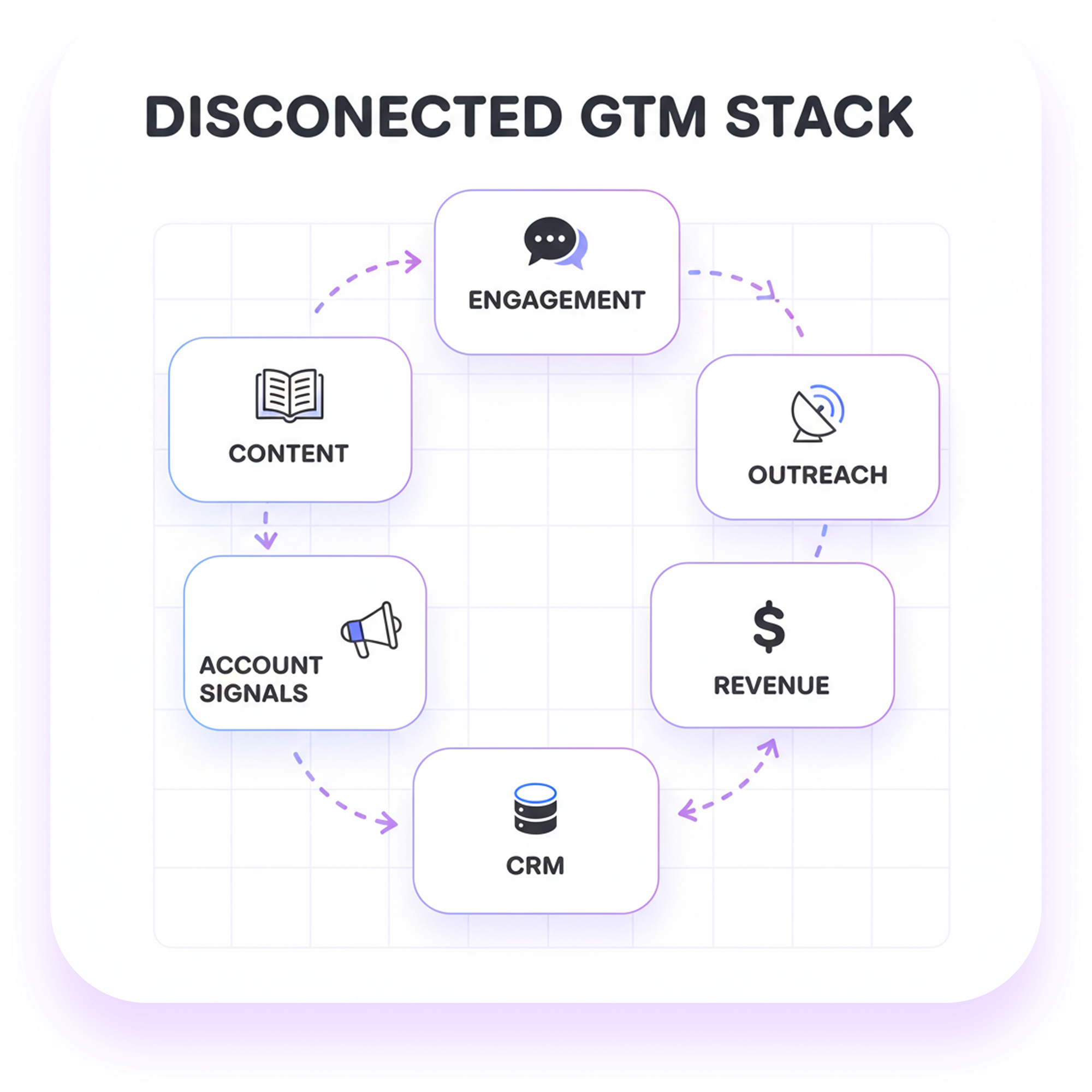
There is no unified system connecting:
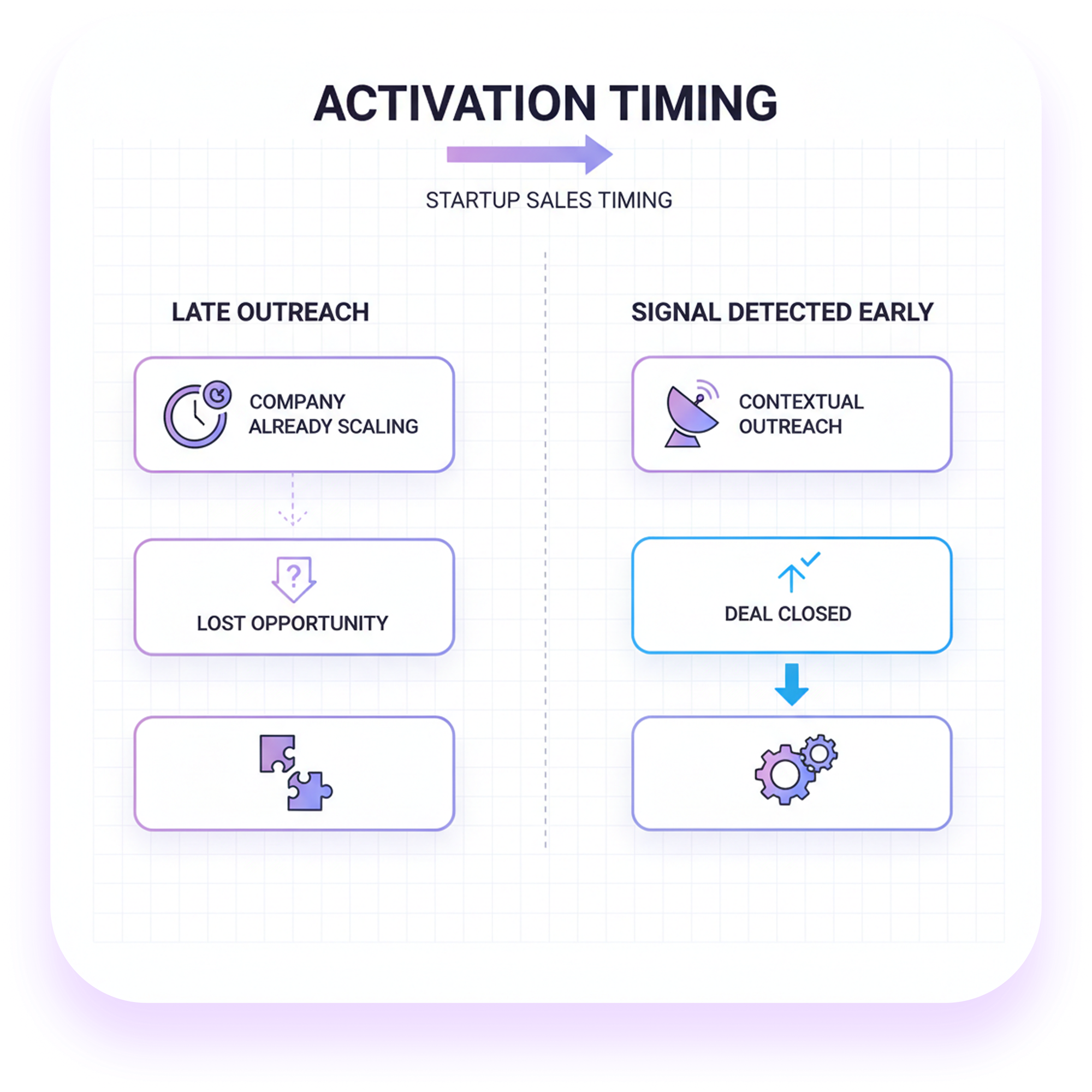
Content → Engagement → Account Signals → Outreach → CRM → Revenue.
So results stay flat.
The Shift: Signal-Driven Inbound Marketing
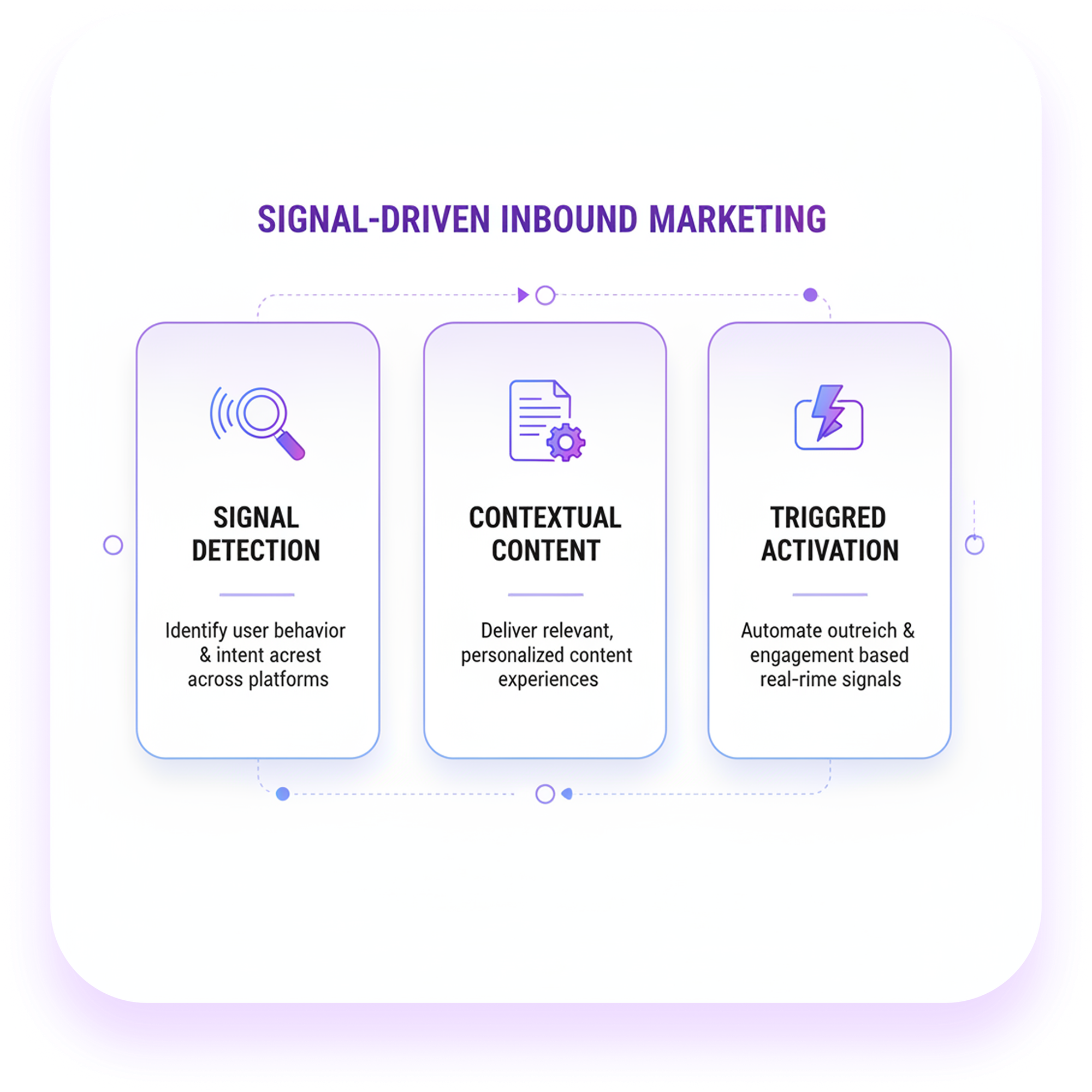
Instead of increasing content output, the agency rebuilt their inbound marketing strategy around three pillars:
- Signal Detection
- Contextual Content
- Triggered Activation
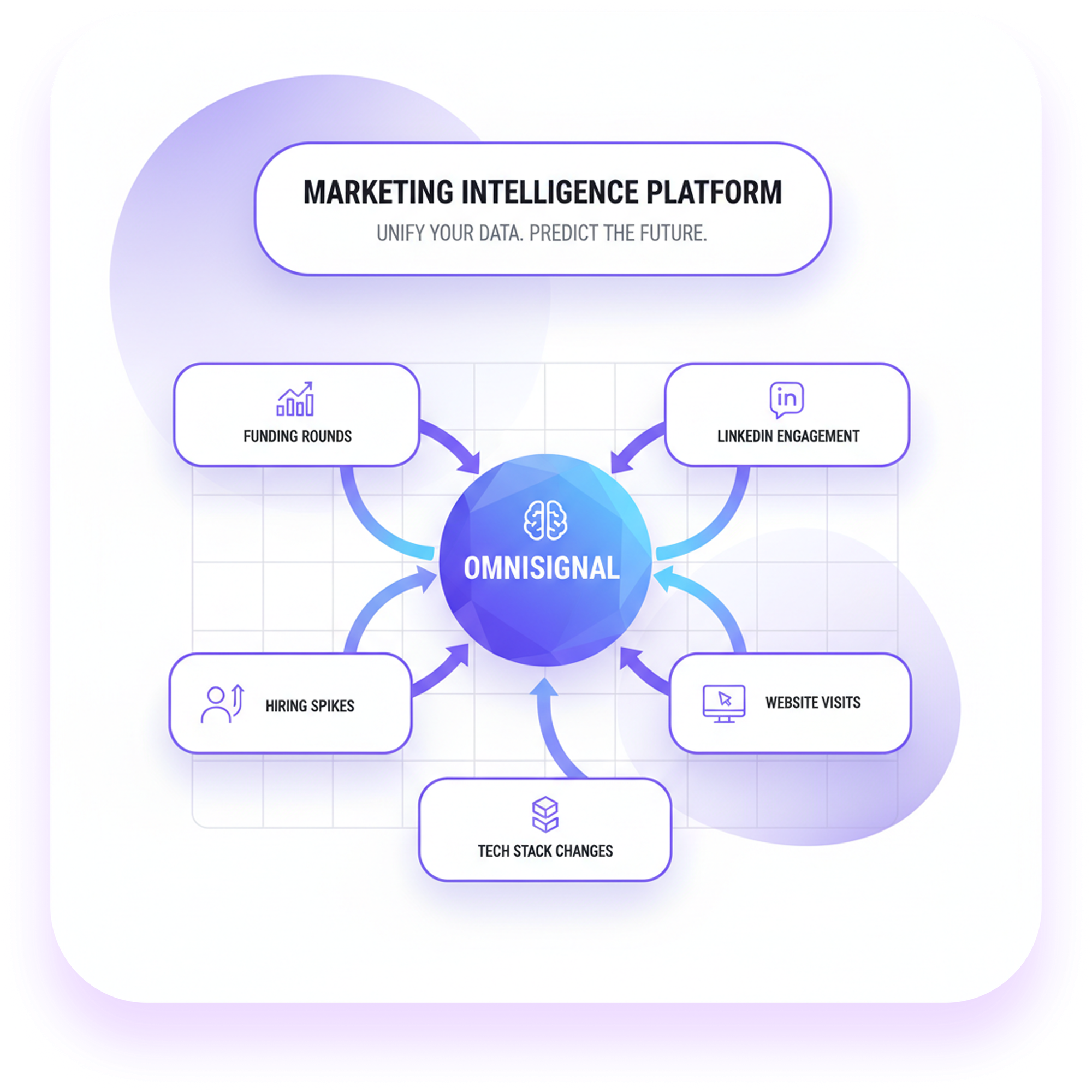
Step 1: Installing a Signal Layer
The team began tracking:
- Funding rounds (Series A–B startups)
- Hiring spikes (CTO, Head of Product, Backend Engineers)
- SaaS teams growing 15%+ in 90 days
- Tech stack transitions
With OmniSignal, they aggregated:
- Funding data
- Hiring data
- LinkedIn engagement
- Website visits
For the first time, they weren’t guessing who might need development support.
They knew who was moving.
Signal replaced speculation.
Step 2: Rebuilding the Content Strategy
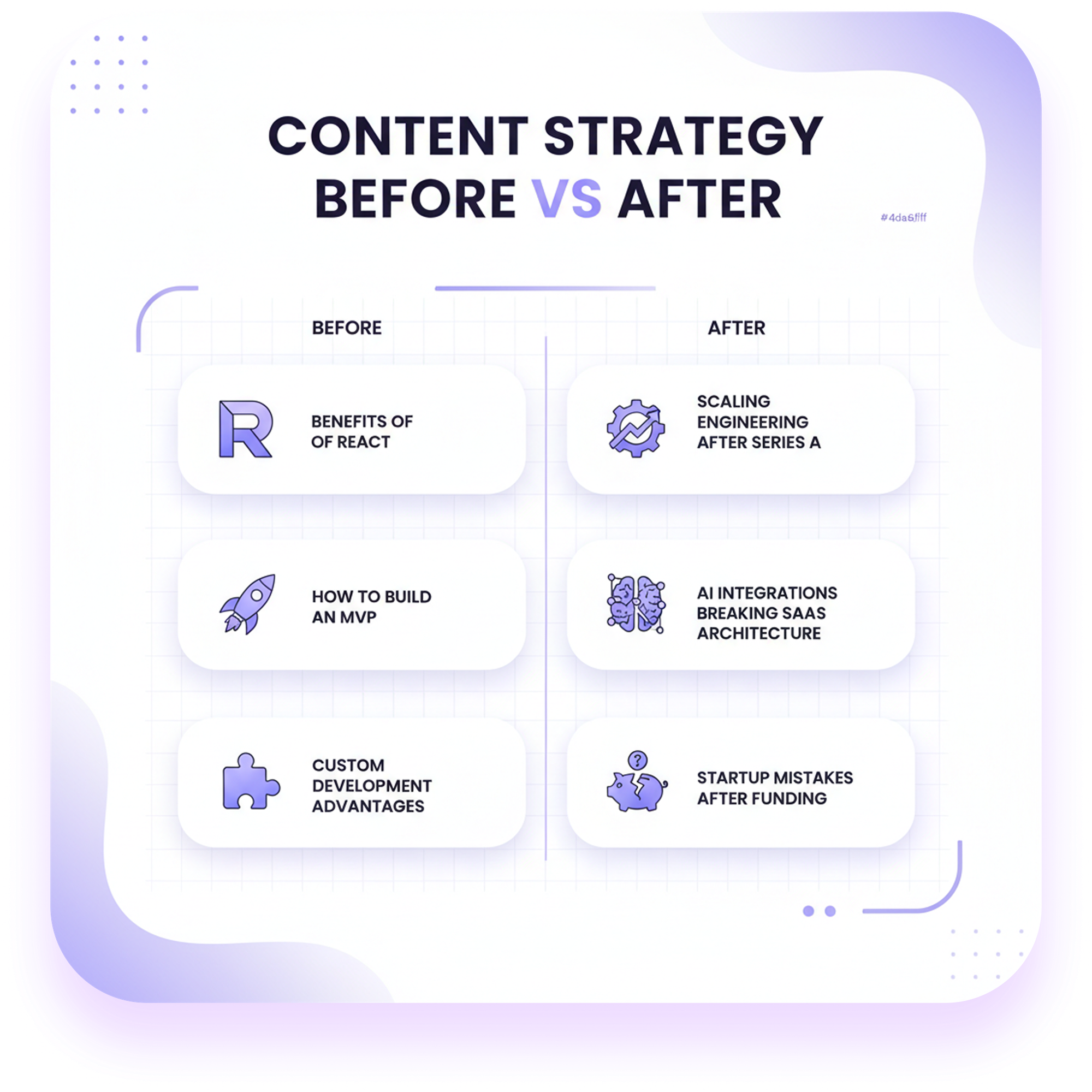
Before:
Topics like:
- “Benefits of React”
- “Why Custom Development Matters”
- “How to Build an MVP”
After:
Content was tied to real market movement:
- “How to Scale Engineering After a Series A”
- “Why AI Integrations Break SaaS Architecture”
- “The 5 Technical Mistakes Startups Make After Raising Funding”
Each piece aligned with:
- Active funding events
- Hiring trends
- High-growth SaaS clusters
Content stopped being educational noise.
It became contextual authority.
Step 3: Connecting Inbound to Activation
This was the real unlock.
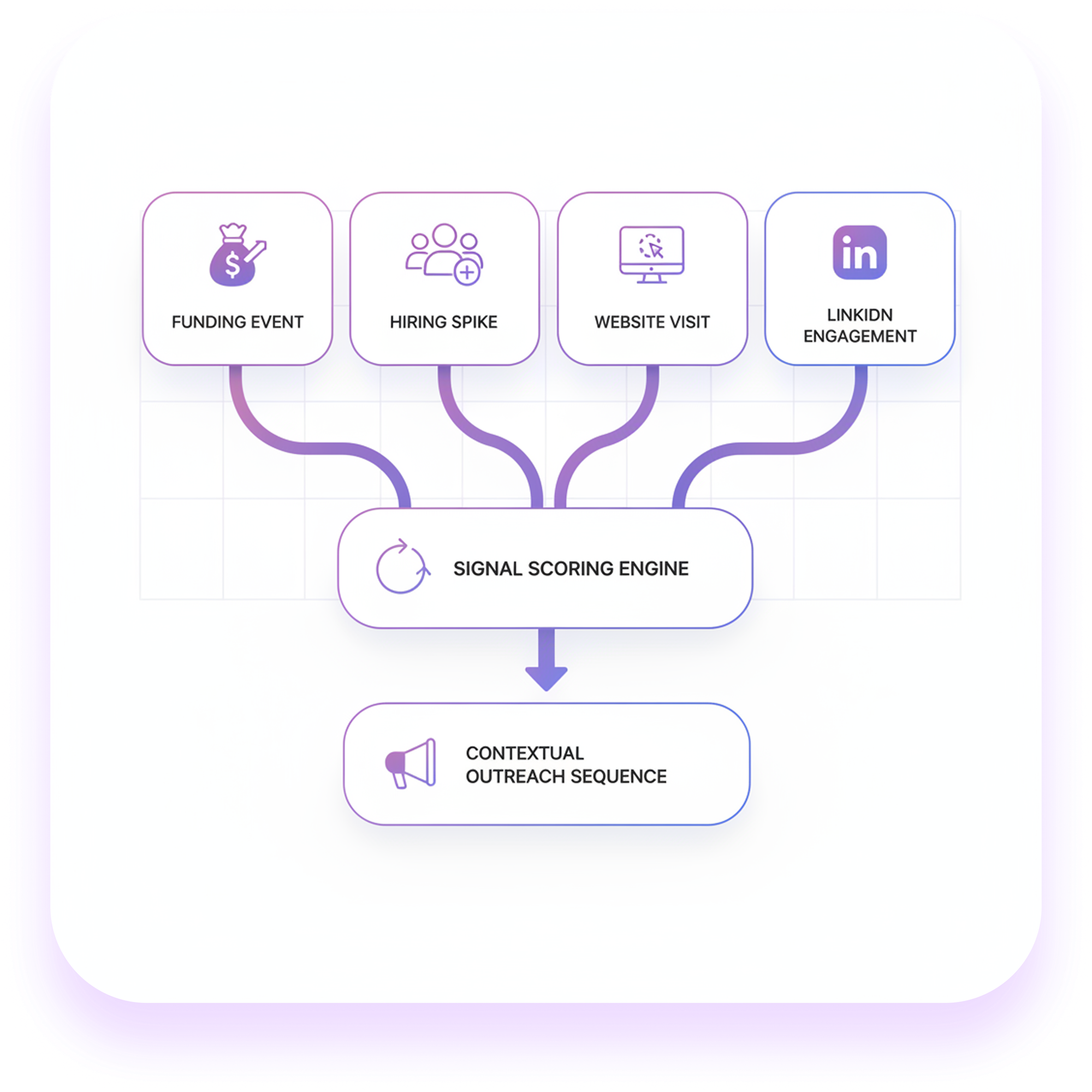
If a company:
- Raised $8M
- Hired 3 backend engineers
- Visited the AI Solutions page
- Had CTO engagement on LinkedIn
→ A contextual outreach sequence triggered automatically.
Messages referenced:
- Their funding round
- Their hiring activity
- Their stack
- Their scaling challenges
Cold outreach turned into relevant timing.
Outbound became activation, not interruption.
Results After 5 Months
Before vs After
|
Metric |
Before |
After (5 Months) |
Growth |
|---|---|---|---|
|
Inbound Leads / Month |
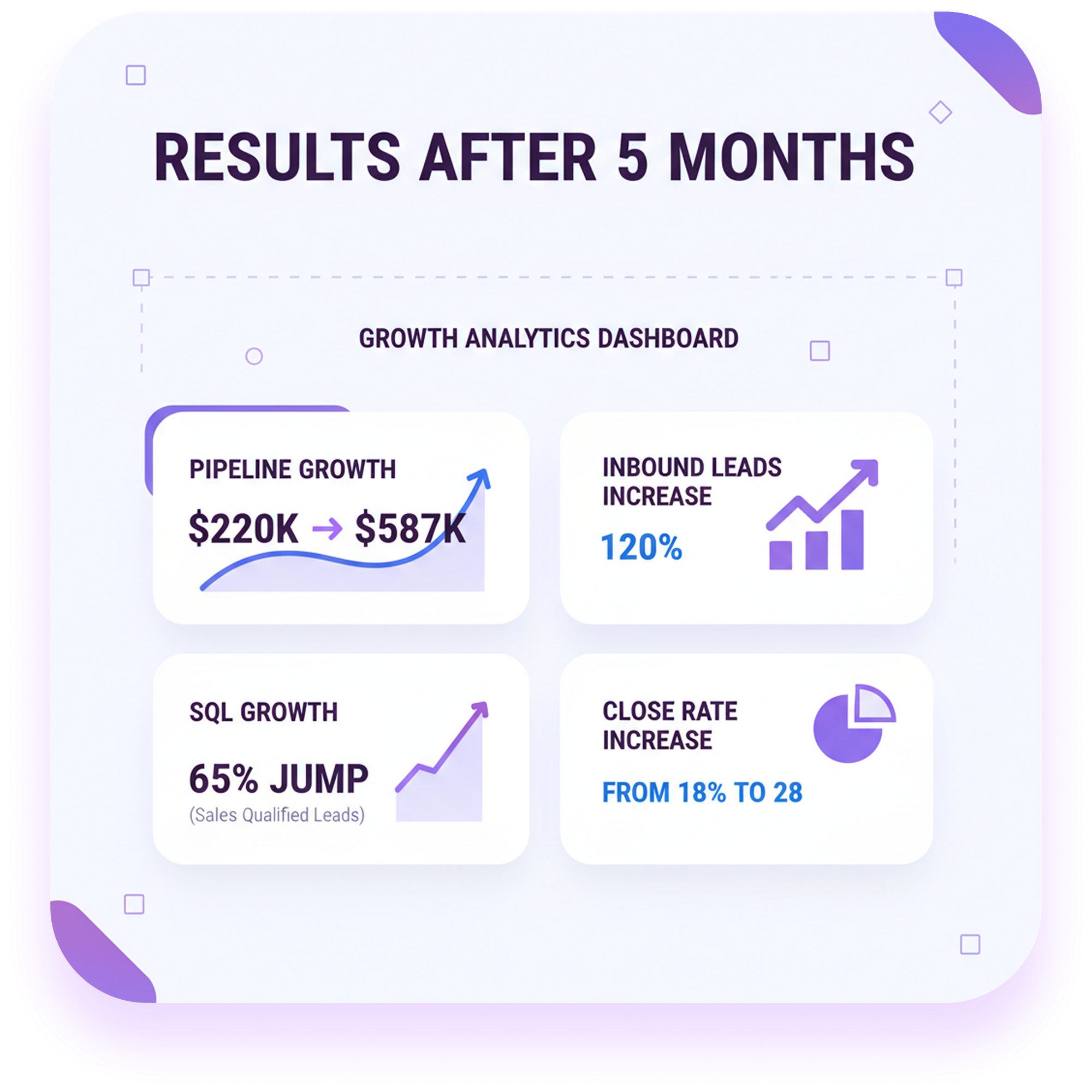
12–15 |
34–39 |
+160% |
|
SQL / Month |
4–6 |
14–18 |
+200% |
|
Qualified Pipeline |
$220,000 |
$587,000 |
+167% |
|
Close Rate |
18% |
27% |
+50% relative lift |
|
Research Time per Account |
~45 min |
~31 min |
−31% |
|
% Deals from High-Growth Companies |
28% |
62% |
+121% |
Additional impact:
- 2.3× increase in booked meetings
- Shorter sales cycles
- More predictable revenue forecasting
62% of closed deals now originate from companies showing active buying signals.
That was under 30% before.
Why This Worked
The growth didn’t come from:
- Publishing more blog posts
- Increasing ad spend
- Hiring more SDRs
It came from:
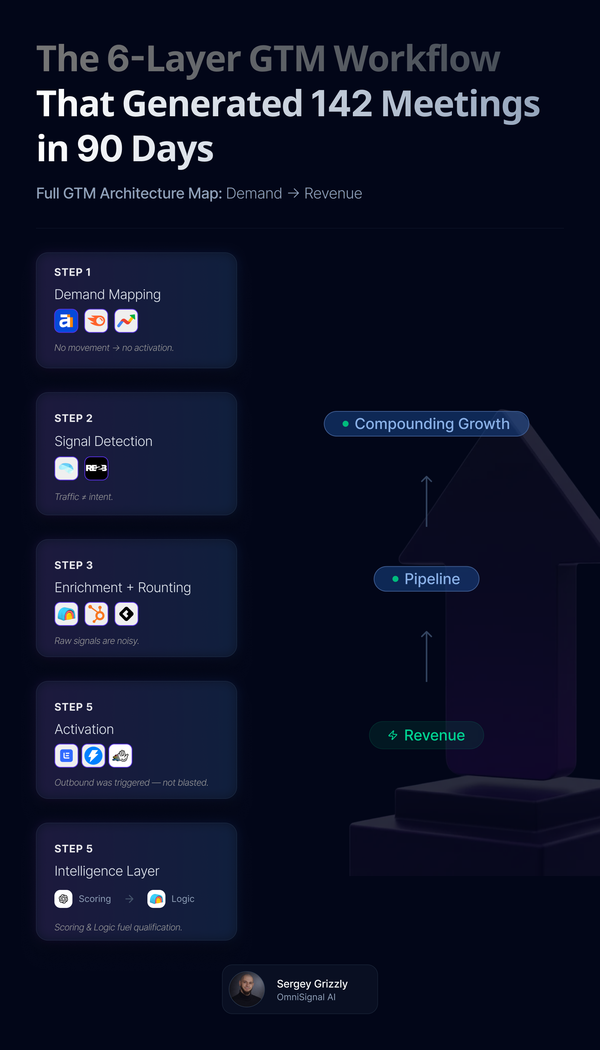
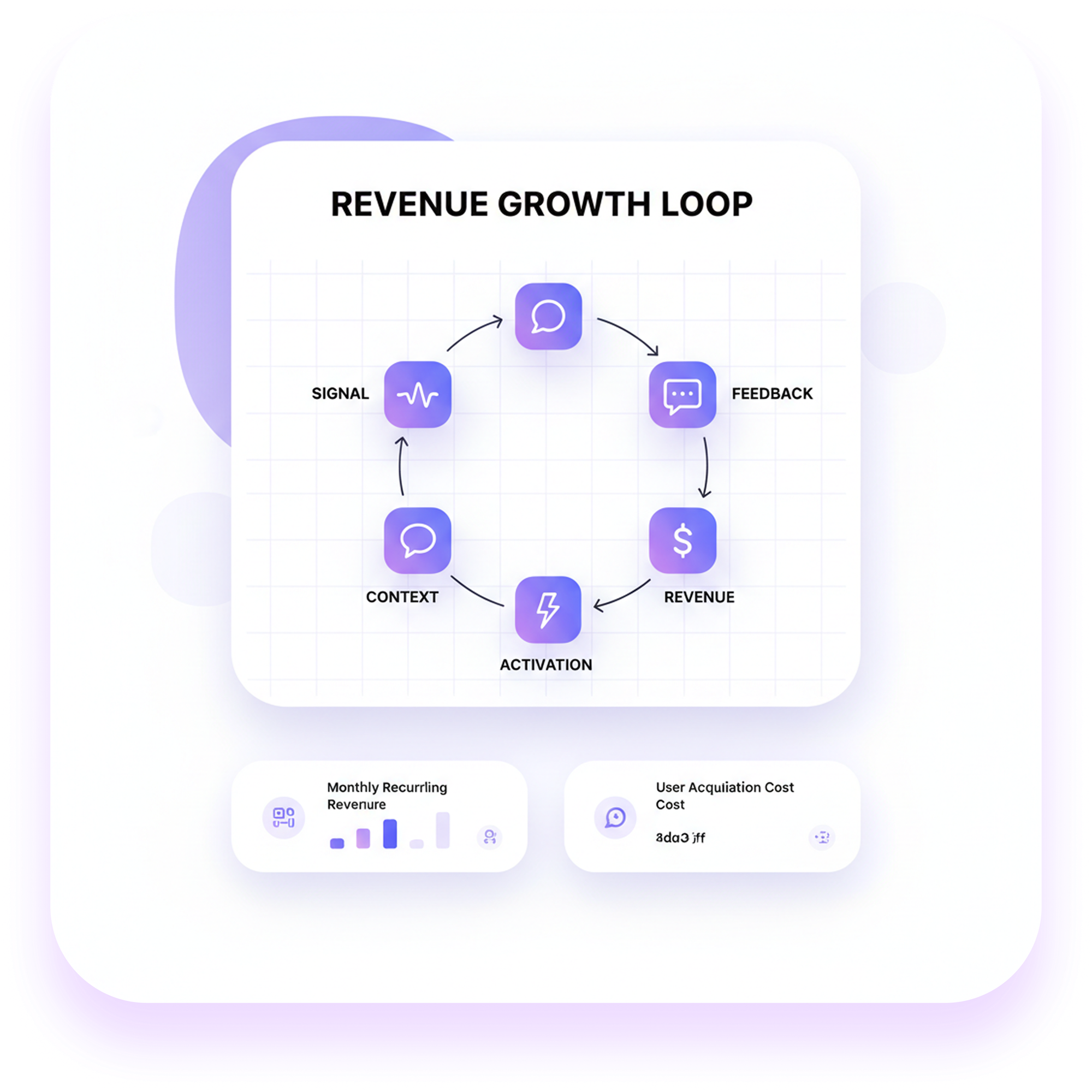
Signal → Context → Activation → Feedback.
Inbound marketing stopped being content production.
It became infrastructure.
What This Means for Software Development Agencies
If you are a software development agency and:
- Your close rate is under 20%
- Pipeline depends on referrals
- Outreach feels random
- Content does not influence deals
You don’t need more marketing.
You need alignment between signal and action.
Modern inbound marketing for dev agencies is not about traffic.
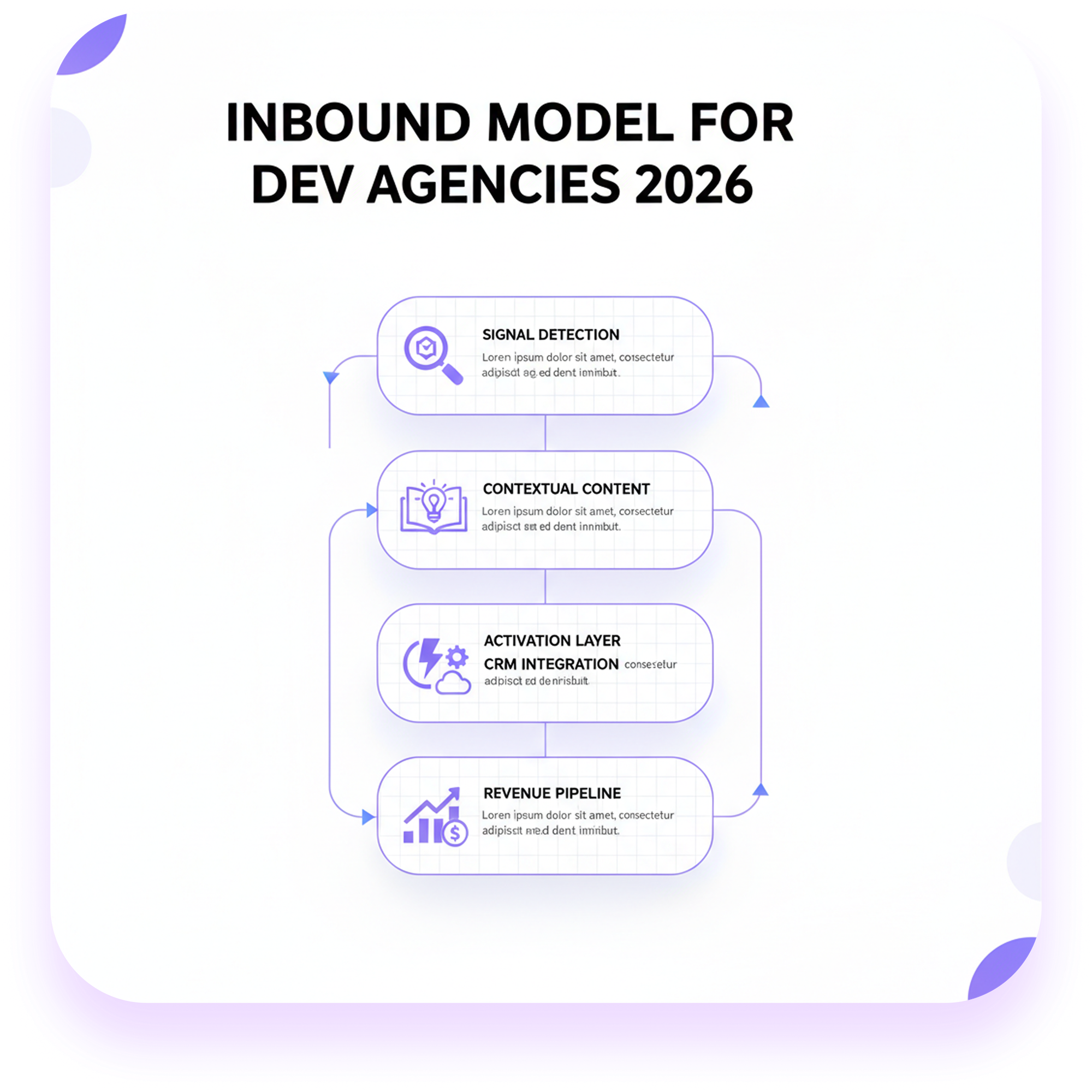
The New Inbound Model for Dev Agencies (2026)
Signal Detection
→ Funding
→ Hiring
→ Tech stack shifts
Contextual Content
→ Founder POV
→ Market commentary
→ Growth-specific insights
Activation Layer
→ Enrichment
→ Intent scoring
→ Contextual outreach
CRM Integration
→ Attribution
→ Feedback loops
→ Pipeline optimization
Inbound is no longer a blog strategy.
It is a revenue architecture.
Final Takeaway
Software development agencies rarely lose because of engineering capability.
They lose because they activate too late.
When you connect inbound marketing to real-time buying signals:
- Pipeline grows
- Close rate increases
- Sales cycles shorten
- CAC drops
Inbound didn’t disappear.
It evolved.
The agencies that win in 2026 are not publishing more.
They are activating smarter.
If your inbound disappeared tomorrow —
Would your pipeline slow down?
Or would it collapse completely?