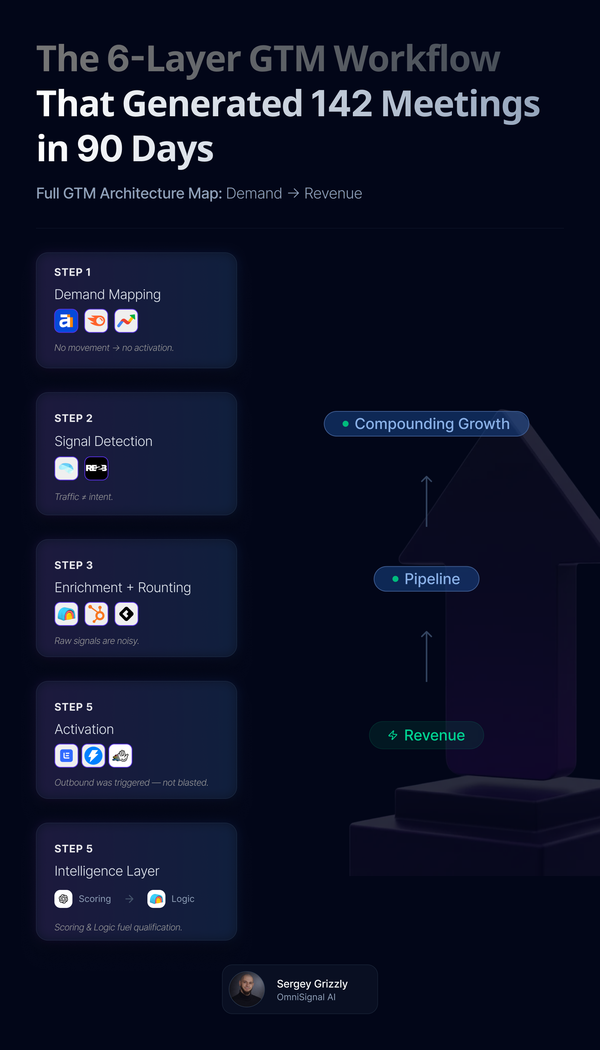
A Modern Framework for Predictable B2B Pipeline

Inbound marketing used to mean publishing blog posts and waiting for traffic.
That model no longer works.
Search behavior is changing, AI assistants answer questions directly, and 60% of searches now end without a click.
At the same time, B2B buyers are harder to reach.
Research shows that only about 5% of B2B buyers are actively in-market at any given moment, meaning most marketing efforts target people who are not ready to buy yet.
This means inbound marketing in 2026 requires a new approach.
Instead of publishing content and hoping someone discovers it, the most effective companies now build signal-driven inbound systems that combine:
- market signals
- contextual content
- automated activation
In this guide, you’ll learn:
- what inbound marketing strategy means in 2026
- why most inbound strategies fail
- a step-by-step framework to build a modern inbound engine
- how signal-driven inbound creates predictable pipeline
What Is an Inbound Marketing Strategy?
An inbound marketing strategy is a system designed to attract, engage, and convert prospects through valuable content and targeted engagement instead of interruptive advertising.
Unlike outbound marketing, which pushes messages through ads or cold outreach, inbound focuses on creating value first and capturing demand when buyers are researching solutions.
A typical inbound system includes:
- SEO content
- social media distribution
- email nurturing
- marketing automation
- CRM integration
But the key insight is this:
Inbound marketing is not content.
Inbound marketing is a system that connects attention to revenue.
Why Most Inbound Strategies Fail
Many companies think they are doing inbound marketing.
They publish blog posts, post on LinkedIn, and send newsletters.
But the results rarely translate into pipeline.
The problem is not content quality.
The problem is system design.
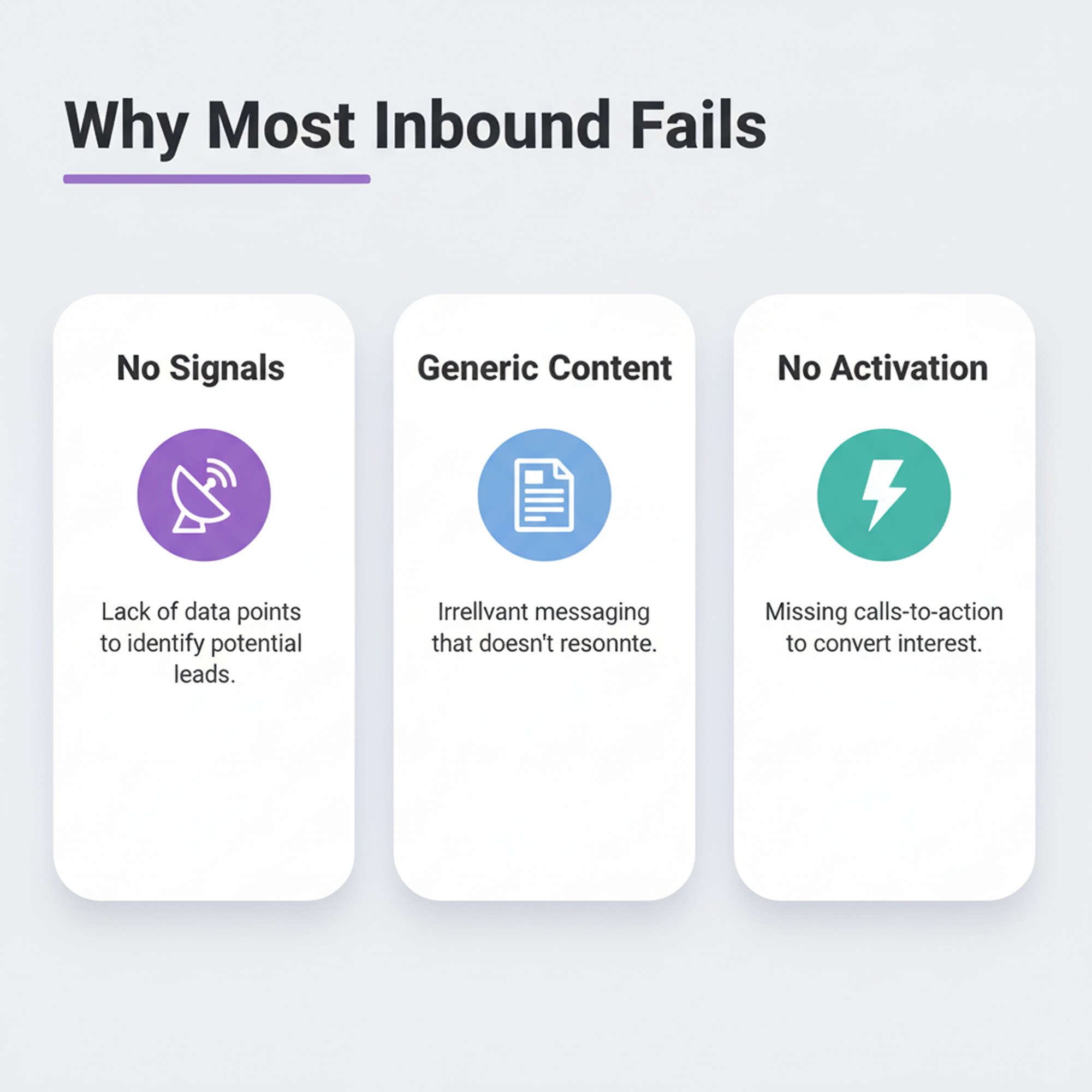
Most inbound marketing efforts are missing three critical layers:
1. Market Signal Detection
Companies publish content without knowing:
- who is entering a buying cycle
- which companies are scaling
- which markets are heating up
They create content for everyone instead of buyers in motion.
2. Contextual Messaging
Generic topics dominate most inbound blogs:
- “Benefits of React”
- “How to build an MVP”
- “Top SaaS trends”
These articles attract traffic but rarely influence buying decisions.
3. Activation
Even when inbound traffic arrives, most teams do nothing with the data.
There is no connection between:
- website engagement
- social signals
- company growth indicators
- outbound activation
Without this connection, inbound becomes a content showcase instead of a pipeline system.
The New Inbound Strategy Framework (2026)
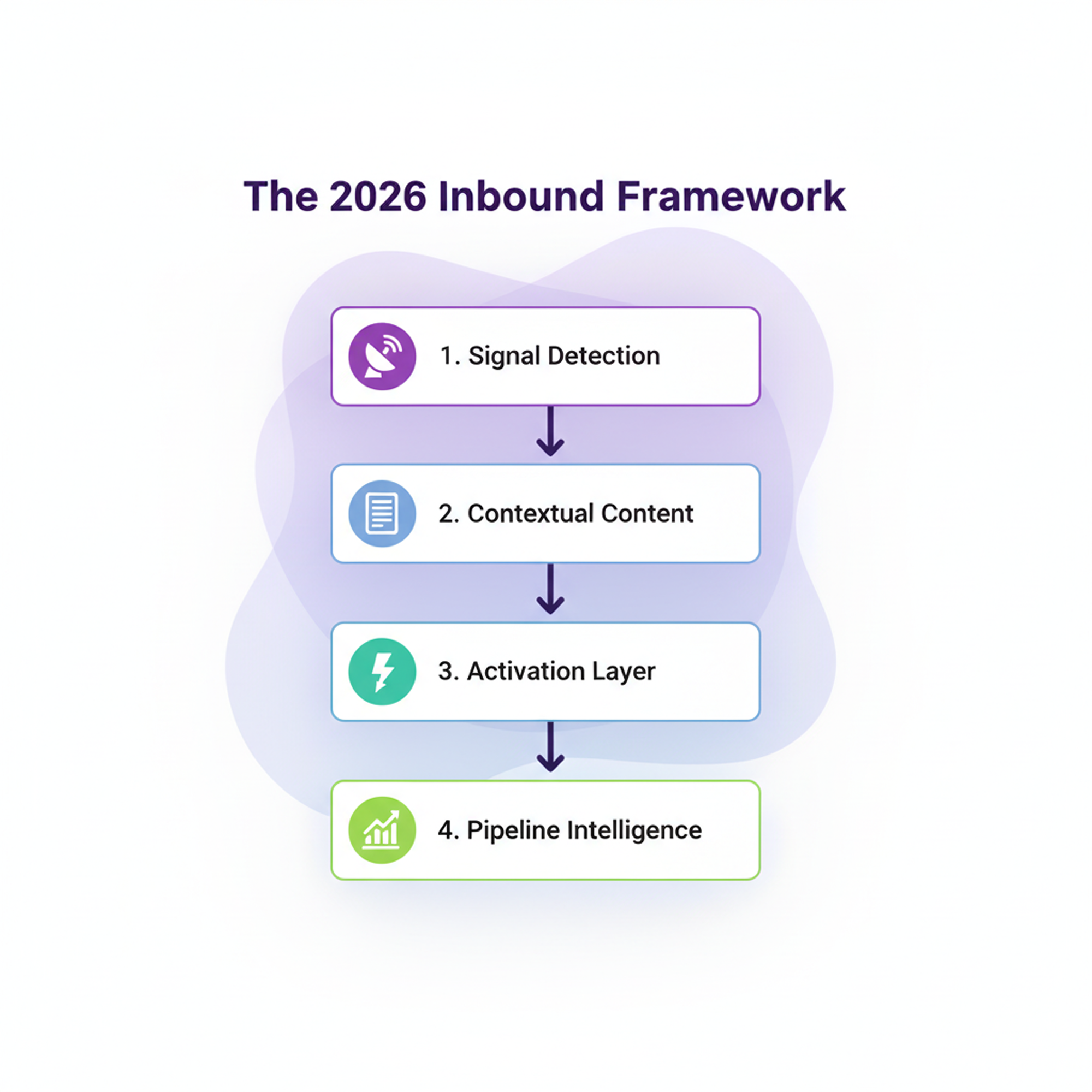
Modern inbound marketing is built around four connected layers:
Signal Detection
↓
Contextual Content
↓
Activation Layer
↓
Pipeline Intelligence
Let’s break this down.
1. Signal Detection
The first step in a modern inbound strategy is identifying companies entering a buying window.
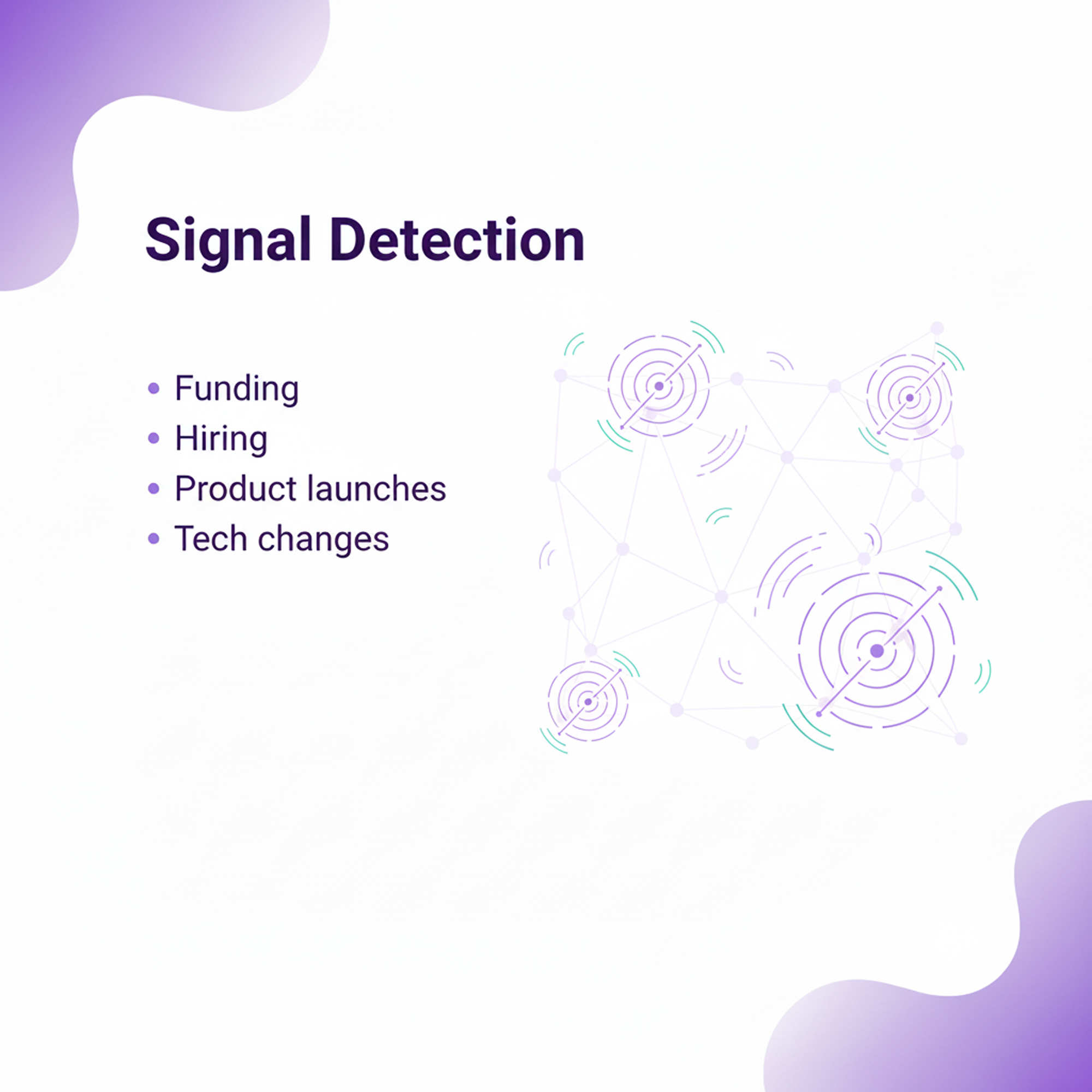
Examples of high-intent signals include:
- funding rounds
- hiring spikes
- leadership changes
- product launches
- tech stack migrations
- website intent signals
These signals reveal which companies are likely to need solutions soon.
Instead of targeting a broad audience, companies can focus on organizations in growth mode.
This dramatically increases inbound conversion rates.
2. Contextual Content
Once signals are identified, content should be built around real market movements.
For example:
Instead of publishing:
“Benefits of Custom Development”
Create:
- “Engineering Challenges After a Series A Funding Round”
- “Why AI Integrations Break SaaS Architecture”
- “Scaling Infrastructure After Product-Market Fit”
Contextual content performs better because it aligns with real buyer problems.
Inbound marketing works best when content solves problems buyers are currently experiencing.
High-performing inbound programs focus on quality and relevance rather than volume.
3. Activation Layer
Inbound traffic alone does not generate revenue.
You need a system that activates interest signals.
Examples of activation triggers:
- a company visits a solution page
- a CTO engages with LinkedIn content
- a funding announcement appears
- hiring activity spikes
These signals can trigger automated outreach or personalized engagement.
The result:
Outbound stops being random and becomes context-driven activation.
4. Pipeline Intelligence
The final layer connects inbound marketing to revenue systems.
This includes:
- CRM enrichment
- attribution tracking
- deal analysis
- pipeline forecasting
Modern inbound strategies track metrics like:
- pipeline influence
- opportunity creation
- sales cycle impact
This ensures marketing is accountable to pipeline, not just traffic.
How to Build an Inbound Strategy (Step-by-Step)
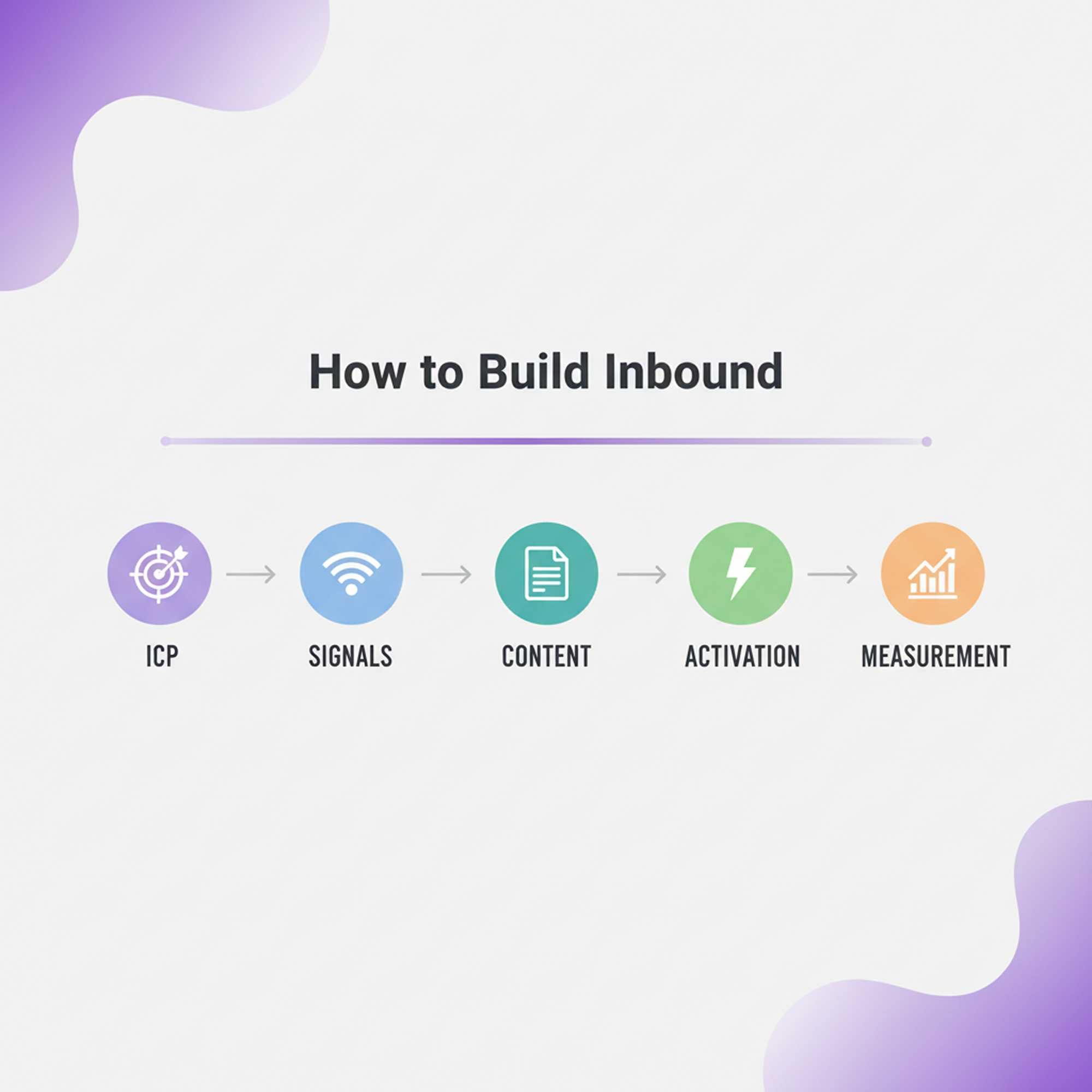
If you want to implement a modern inbound system, follow this framework.
Step 1 — Define Your Ideal Customer Profile
Start with clarity around:
- company size
- industry
- growth stage
- technology stack
- decision makers
Inbound marketing works best when content is designed around specific buyers.
Step 2 — Map Buying Signals
Identify signals that indicate potential demand:
Examples:
- funding rounds
- hiring expansion
- product launches
- geographic expansion
Signals allow marketing teams to prioritize companies most likely to convert.
Step 3 — Build Contextual Content
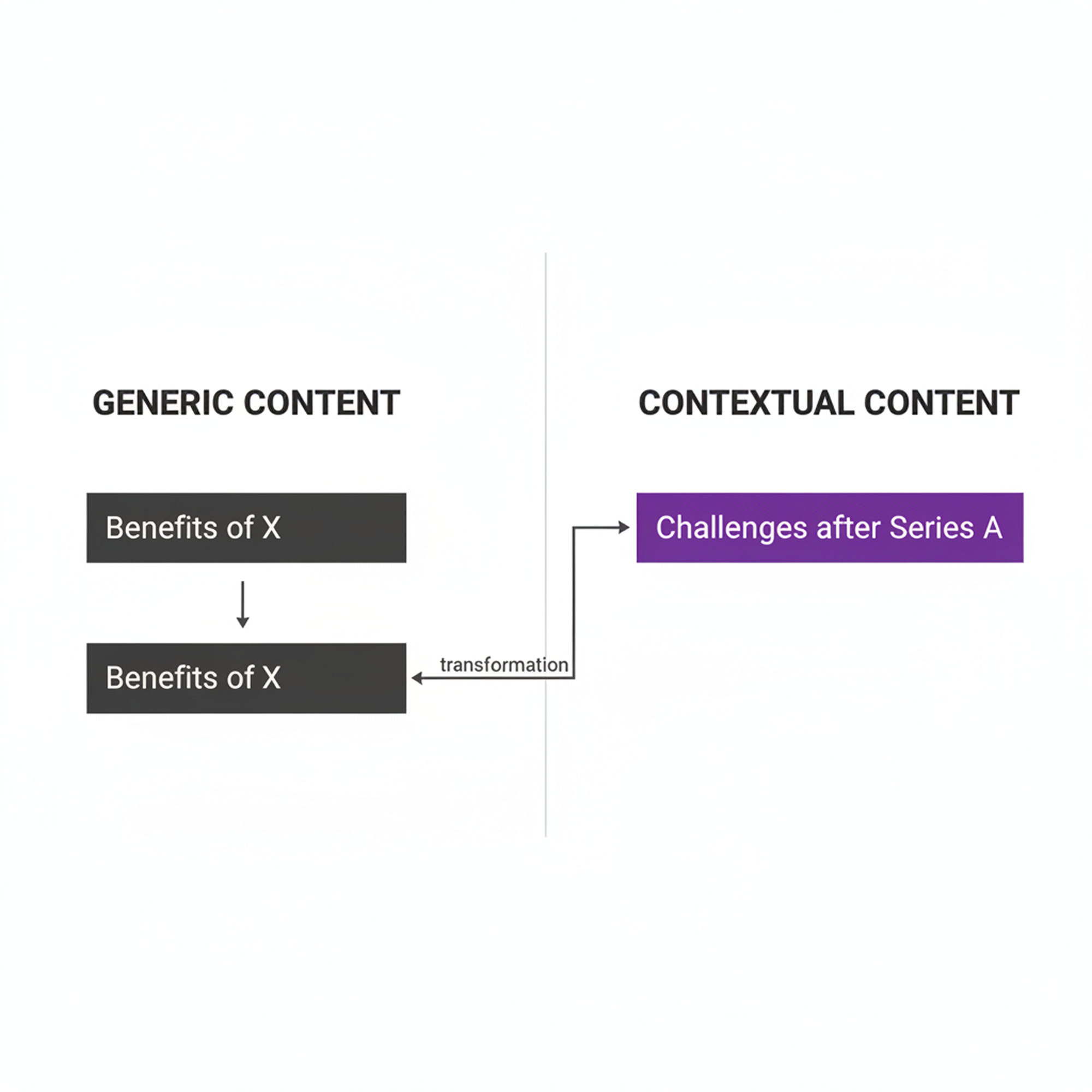
Instead of generic topics, align content with:
- growth events
- industry challenges
- technical problems
- operational bottlenecks
Content becomes insight-driven rather than keyword-driven.
Step 4 — Create an Activation Workflow
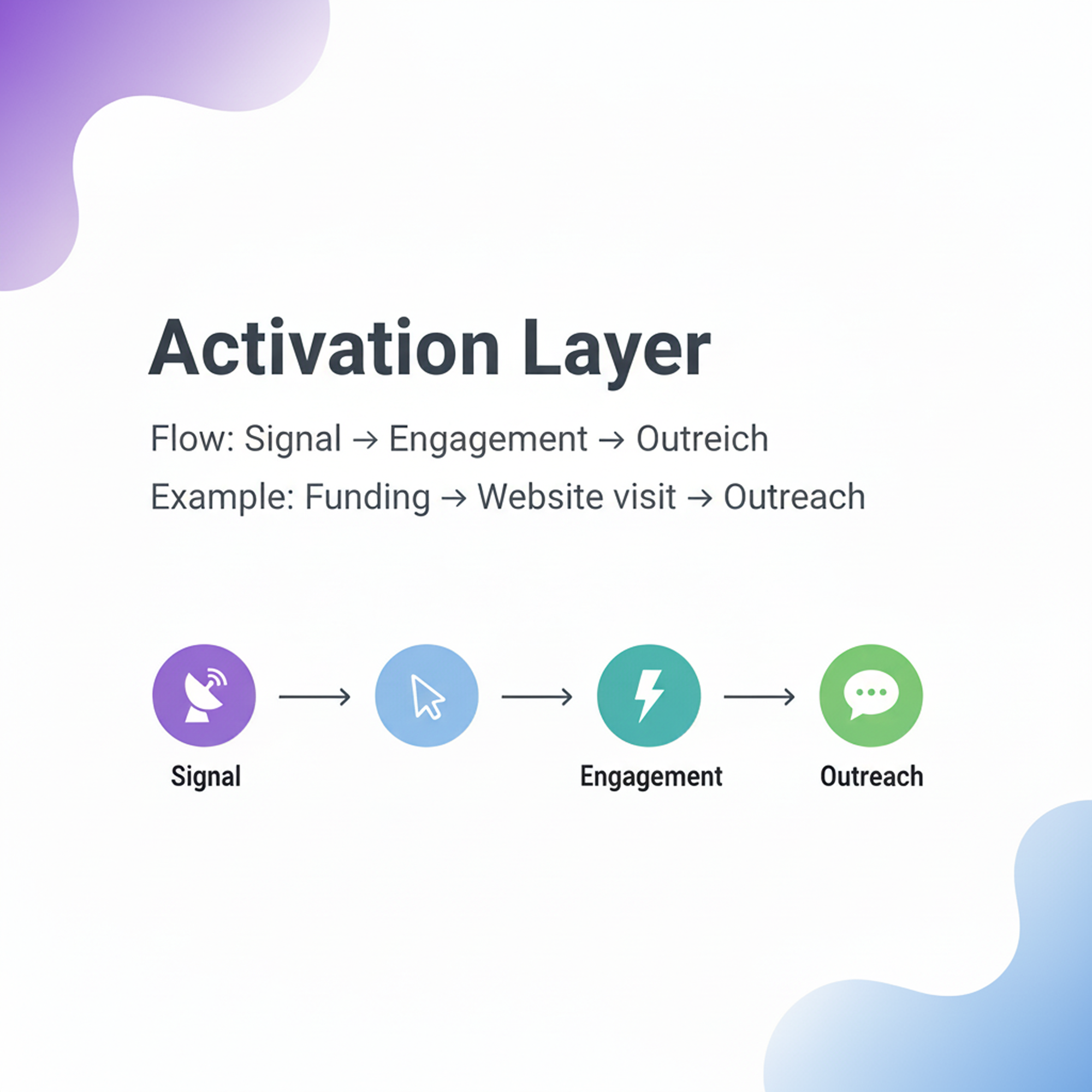
Connect engagement signals to action:
Example flow:
Funding event detected
↓
Company visits blog article
↓
LinkedIn engagement by CTO
↓
Automated outreach sequence triggered
This transforms inbound marketing into a demand activation system.
Step 5 — Measure Pipeline Impact
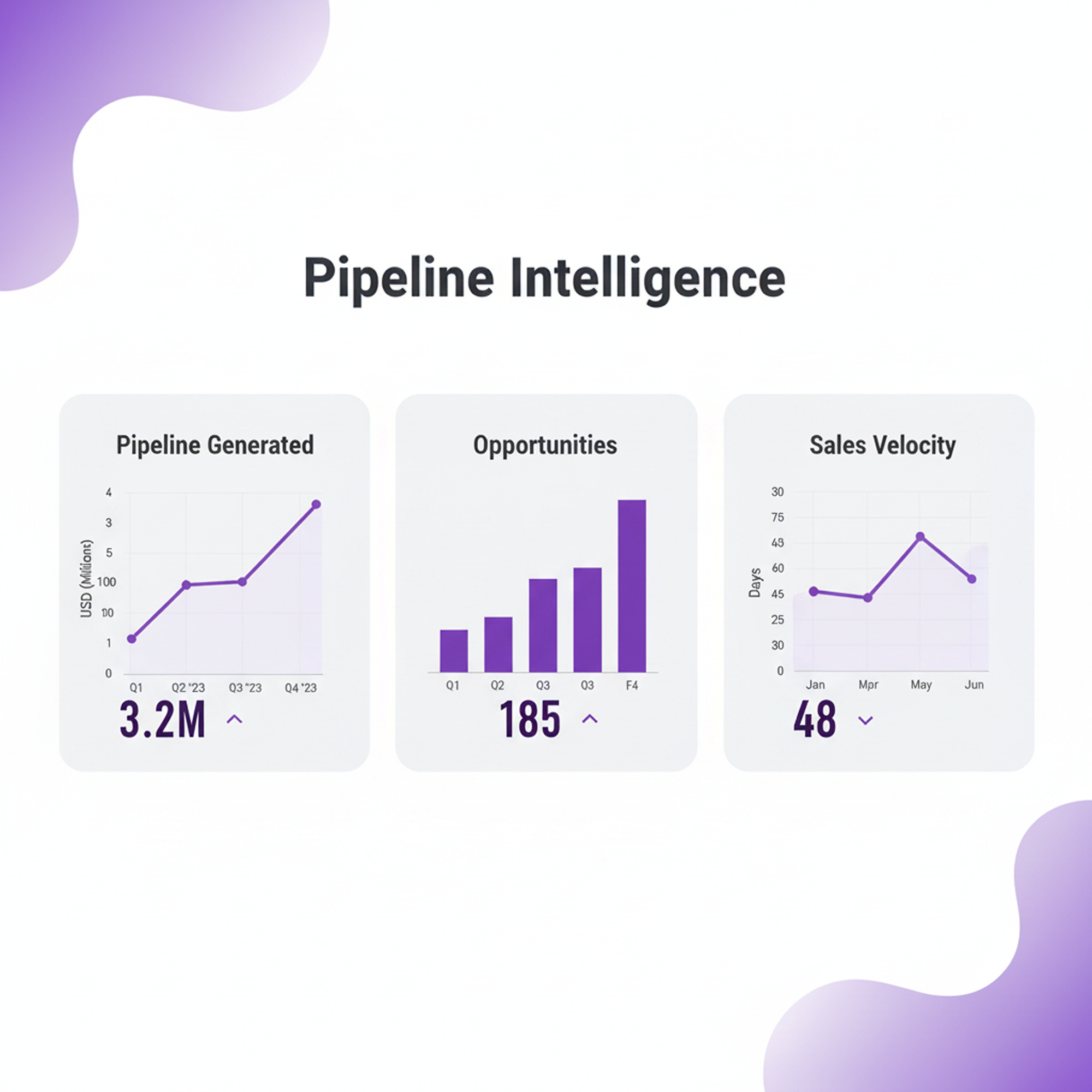
Track metrics such as:
- opportunity creation
- sales velocity
- close rates
- deal size
Inbound marketing must be measured by revenue outcomes.
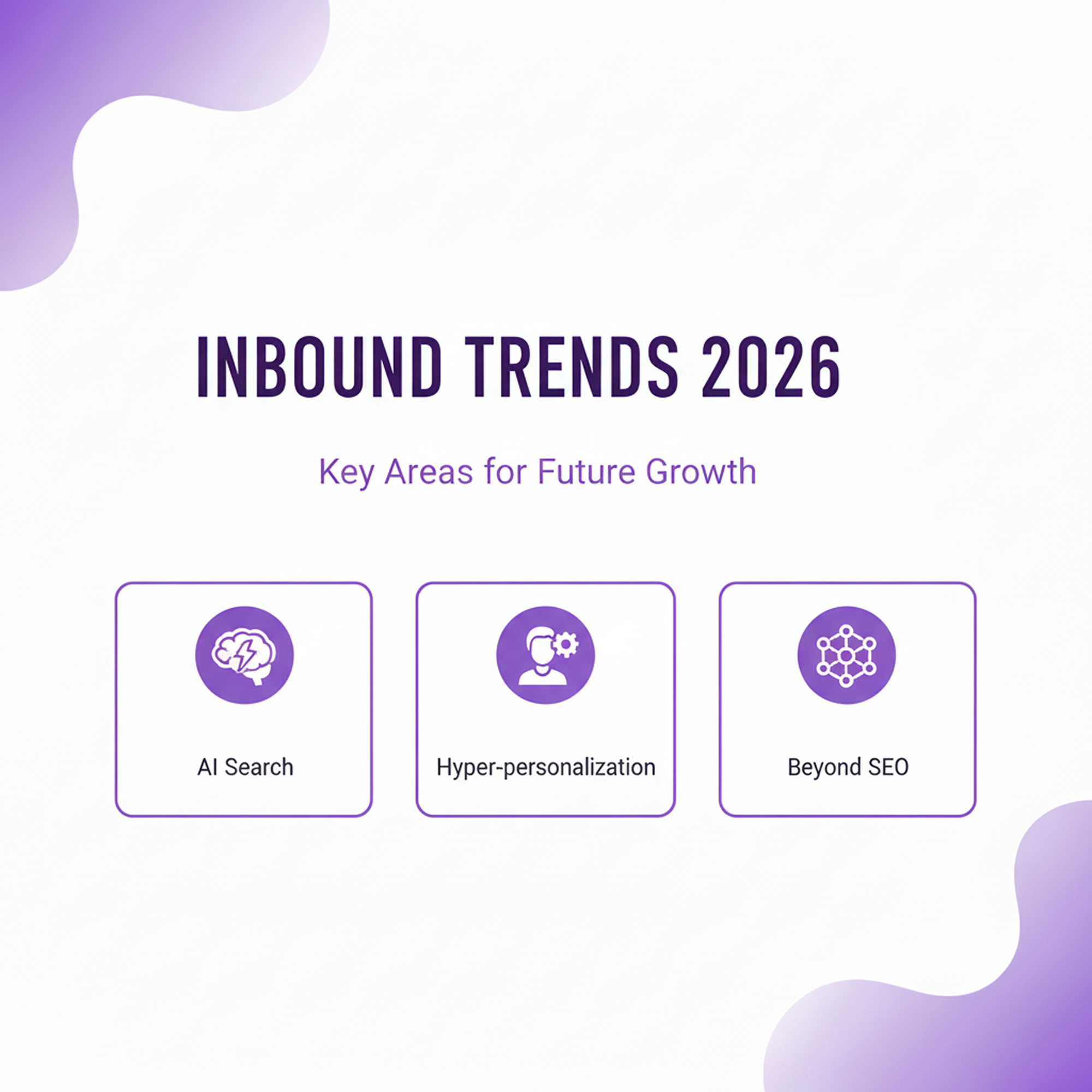
Inbound Marketing Trends Shaping 2026
Several trends are redefining inbound marketing today.
AI-Powered Search
Content must now be optimized for AI discovery and conversational search, not just traditional SEO.
Hyper-Personalization
Modern inbound marketing relies heavily on data-driven personalization and automation to engage prospects effectively.
Brand Visibility Beyond Search
Buyers increasingly discover brands through:
- social platforms
- communities
- AI assistants
- newsletters
This means inbound strategies must go beyond search traffic.
How OmniSignal Powers Signal-Driven Inbound
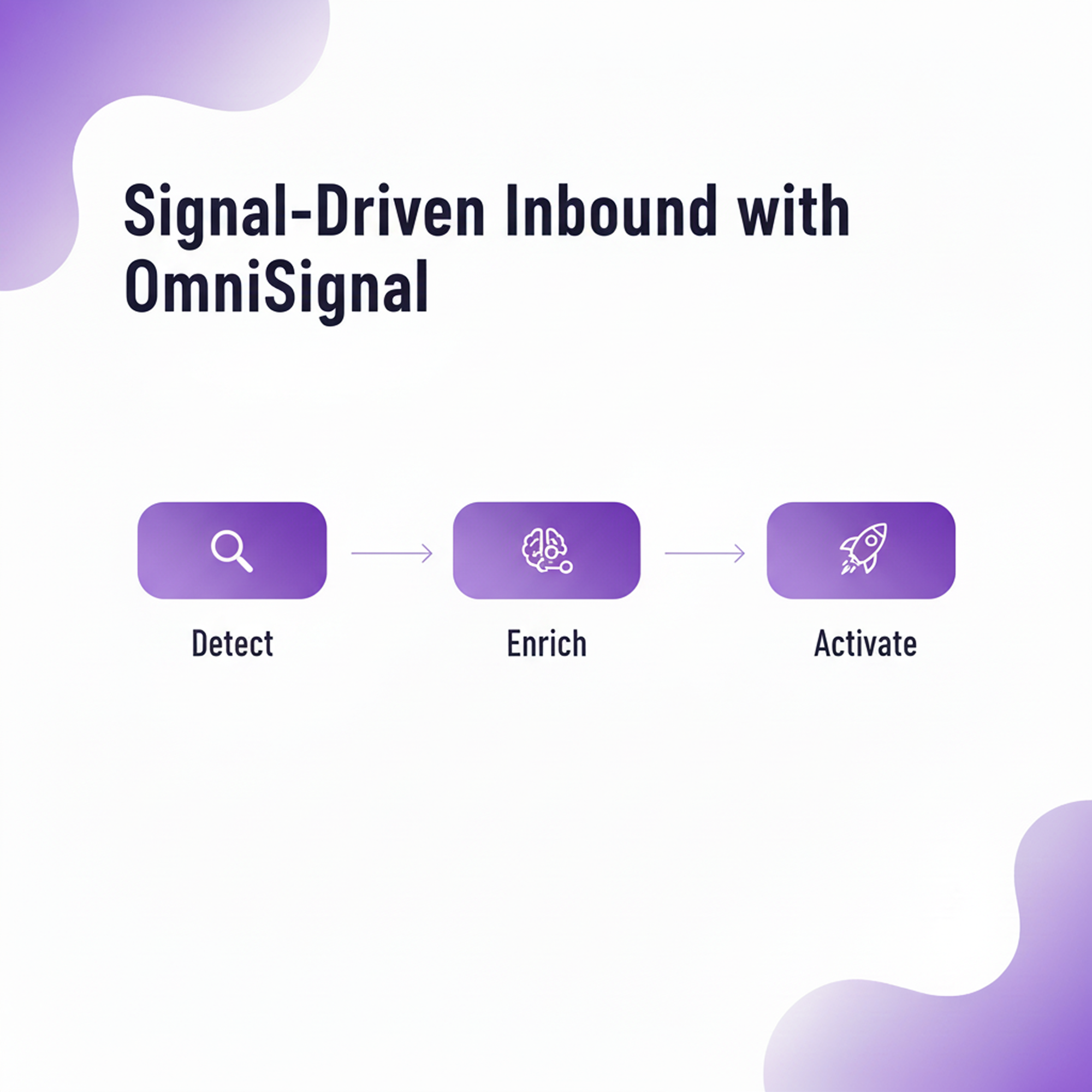
OmniSignal was designed to help companies operationalize modern inbound marketing.
The platform helps teams:
- detect market signals in real time
- identify companies entering growth cycles
- align content with market movement
- trigger contextual outreach automatically
Instead of guessing who might need your solution, you can identify companies already moving toward a buying decision.
This turns inbound marketing into a predictable pipeline engine.
Final Thoughts
Inbound marketing is not disappearing.
But it is evolving.
The companies that win in 2026 will not be those publishing the most content.
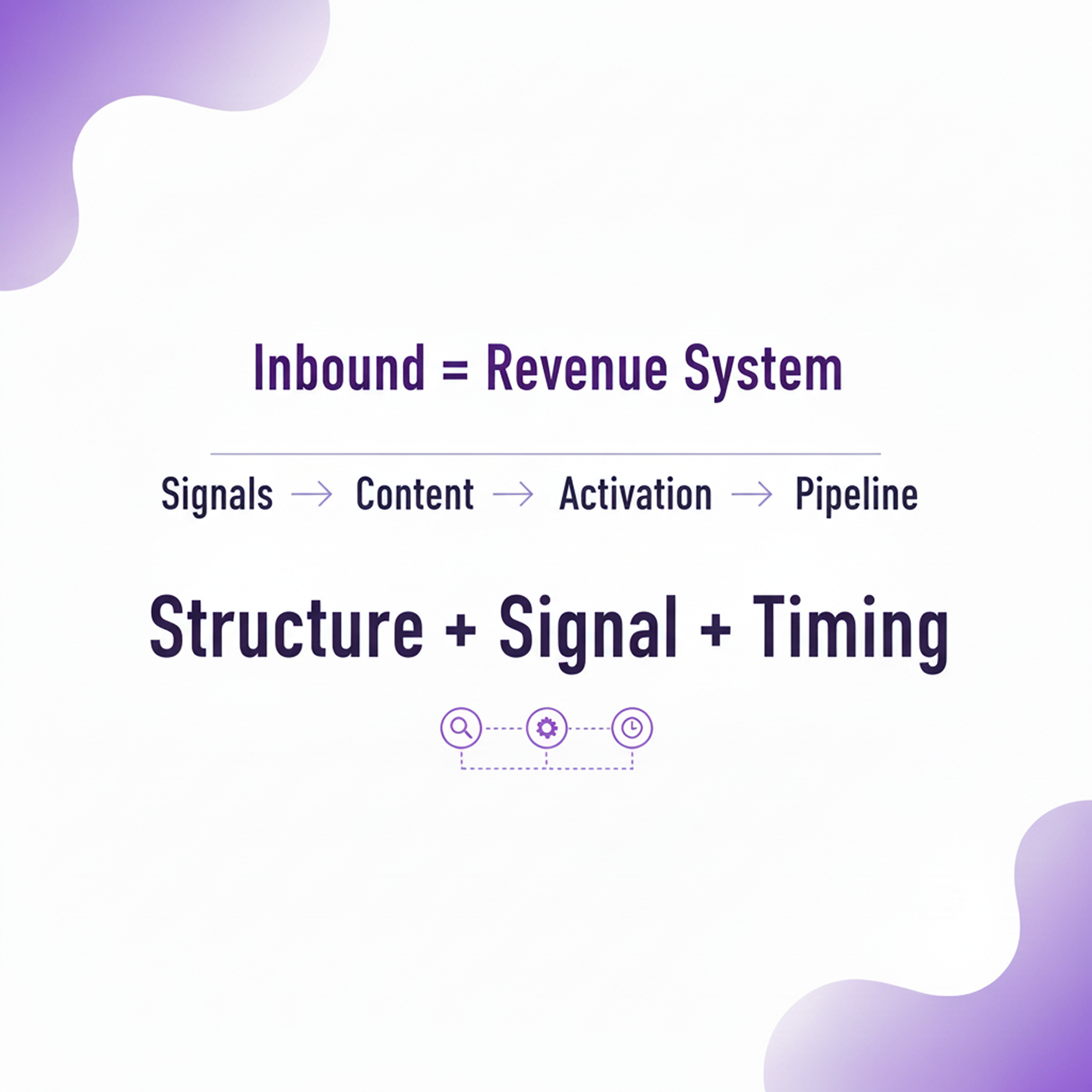
They will be the ones that connect:
Signals
→ Content
→ Activation
→ Pipeline
Inbound marketing is no longer a content strategy.
It is a revenue infrastructure.
If you want to build a signal-driven inbound engine, explore how OmniSignal helps teams turn market signals into pipeline.